In 2010, a bulldozer driver found a tusk in the Colorado mud and unearthed the high-altitude secrets of the Snowmastodon site |
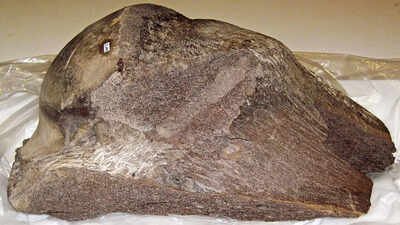
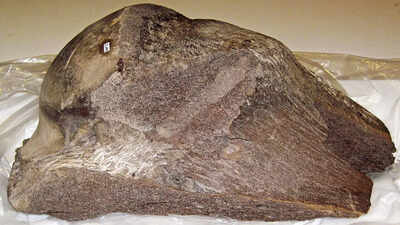
It began like any other day of moving earth around in Snowmass Village, Colorado. The weather was a typical October day, and people had been busy that day expanding the Ziegler Reservoir for better water retention at that site. Large equipment was moving about, digging through the dark peat soil; however, as the plough came to the ground, it hit something unusual underneath the soil. As usual, the operator would leave his vehicle to see what he had come across. Instead of encountering a hard stone or tree roots, he was faced with the shining ivory tusk of a juvenile Columbian mammoth.This fortunate find was the beginning of the Snowmastodon story. It marked a new era in scientific history, one that would turn everything researchers knew about Ice Age wildlife in the Rocky Mountains on its head. For decades, a rich prehistoric landscape was hiding in plain sight in an area that might have been mistaken for yet another construction site. Thanks to the fact that it was discovered during construction, this find set in motion one of the fastest emergency salvage projects ever undertaken by scientists.A prehistoric metropolis located at 9,000 feetWhat makes the Ziegler Reservoir location unique is not only the size of the findings but the location itself. At almost 8,900 feet above sea level, the site is the highest known Ice Age fossil deposit in history. Up until now, scientists believed that harsh, high-altitude environments could not provide a comfortable habitat for large animal species. However, the sediments proved otherwise. According to Jeffery S. Pigati’s article, this place was a thriving high-alpine ecosystem populated by a variety of giants.The parade of animals in the mud times was truly amazing. While mastodons and mammoths took centre stage, there were many more participants in the show. Hundreds of bones and teeth from giant ground sloths, horses, camels, bison, and deer were recovered at the site. This is not a mere collection of bones but rather a brief look at an entire ecosystem that once existed here. What we have discovered tells us that the Rockies were a bustling centre during the last interglacial, a warmer period than those around it.

This high-altitude location revealed a thriving ecosystem with numerous ancient animal remains. The site offers crucial data for understanding past climate change and extinct species. Image Credits: Wikipedia
Climate change is a natural time capsuleThe Snowmastodon fossil site preserved its remains to the extent that they could compete with millions-of-years-old fossils. Preserved in the fine sediment of an ancient lake, the absence of oxygen halted the decomposition process. According to the USGS report, their research yielded more than just bones; teeth that had traces of the animal’s final meal and even plants, including leaves and wood, that remained green upon discovery were unearthed at the site.Such detailed information made this site a natural barometer for studying climate. The analysis of the sediment deposits and the vegetation associated with the megafauna made it possible to reconstruct how exactly the mountain ecosystem responded to climate change. This became an invaluable source of information for scientists that shows how mountain regions respond to climate change. The discovery of this site gave insight into how the extinct species lived and adapted to conditions that were supposedly harsh.In today’s world, the Ziegler Reservoir performs exactly the role for which it was designed, containing water. But its significance goes far beyond how deep the waters are in it. The discovery of the Snowmastodon provides a wonderful illustration of the fact that we live not just on top of, but within, a world with a whole lot of history below the surface waiting to be uncovered. It only took one construction project and an observant individual to discover half-a-million-year-old secrets right underneath our feet.