USS Samuel B. Roberts: The wreck that sank deeper than any ship |
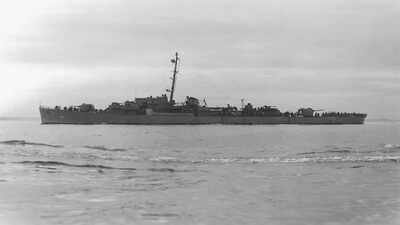
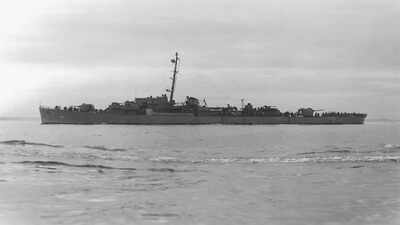
The exact location of the USS Samuel B. Roberts, or “Sammy B,” was a point of contention for quite some time. This dispute came to an end when the shipwreck was located in 2022, alongside another historic find, the deepest shipwreck ever discovered. The Sammy B can be found at a depth of around seven kilometres in the Philippine Sea, making it the deepest shipwreck ever. It lies in a zone called the Hadal Zone.This discovery provides a new perspective regarding the behaviour of nature in such environments. Normally, a wrecked ship would be consumed by the fish in the area and would begin to corrode away. However, in an environment characterised by cold temperatures and enormous pressures amounting to eight tons per square inch, everything becomes possible.A freezer-like lab at great pressureIt is common knowledge that a sunken ship would lie on the ocean floor and disintegrate gradually. However, the Samuel B. Roberts seems to break this perception as it seems to be holding its ground underwater. Scientists believe that this is because of the pressure.The interesting phenomenon is backed up by solid laboratory evidence. According to an article in the Journal of Plankton Research, pressure could virtually silence all microbial life. When organic material was put under high pressure comparable to the depths of the ocean, there was a significant reduction in the amount of respiratory activity among microorganisms. This means that the bacteria eating away at the decaying wood, paints, or organic materials on the Samuel B. Roberts will be effectively put to sleep.In another study, Experimental taphonomy of fish – role of elevated pressure, salinity and pH, it is demonstrated how deep waters function as a sort of time capsule. And here is the critical piece of information: the pressure exerts a significant deceleration effect on the processes of putrefaction and decay. Coupled with the cold temperatures in the Hadal zone, it means that microorganisms responsible for the decay will be very unlikely to affect it. As a result, even after more than eight decades, the shipwreck continues to resemble a ship rather than debris, providing valuable insight into the conflict that took place long ago.
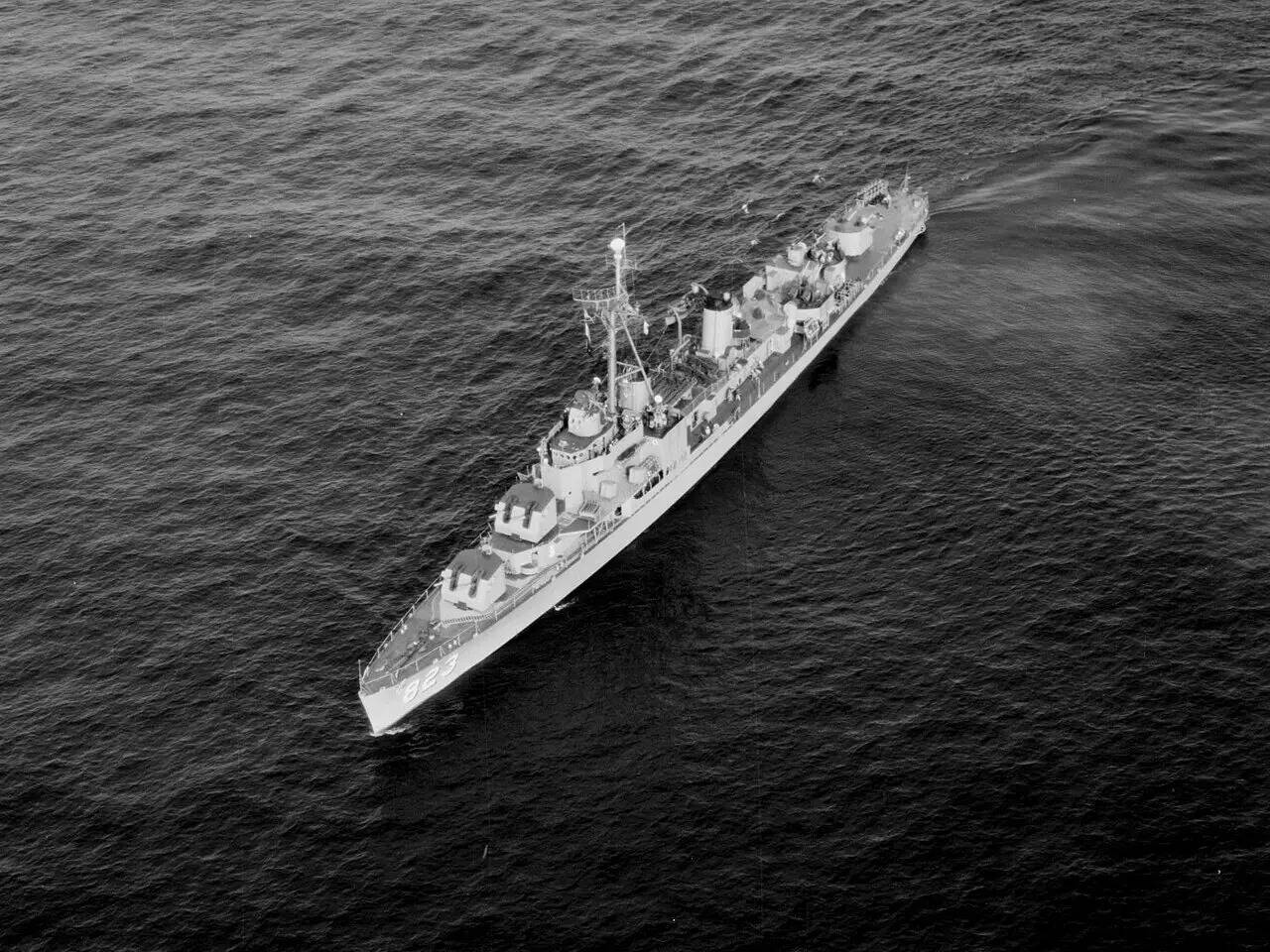
While protected from microbial decomposition, the wreck still undergoes slow corrosion from specialized microbes and salt. Image Credits: Wikimedia Commons
The silent battle between steel and saltIt should not be believed that the ship “Sammy B” will remain forever untouched by time. Even in the most extreme conditions of the trench, water continues to undergo its own processes. Here is the place where the battle between steel and salt takes place. Both of them actively interact with one another and the seawater covering the surface of the hull.The process is more complex than simple rusting. A review in the BioScience journal describes corrosion as a biogeochemical event. Even at seven kilometres down, tiny colonies of specialised microbes form “biofilms” on the metal surfaces. These microscopic communities can actually influence how fast the iron breaks down. Because the Samuel B. Roberts is so deep, these microbes have very little food and oxygen to work with, which keeps the corrosion pace much lower than what we see on shallow-water wrecks like the Titanic.These features make this ship unique enough to be an invaluable study subject in Earth sciences. They illustrate how much time can be endured by man-made objects. Located in such a position that water pressure protects it from above, it eventually succumbs to the persistent effects of chemical processes. All in all, even at the bottom of our planet, history remains intact due to the superior strength of the ocean.