Scientists stunned after 330-million-year-old shark teeth discovered from Ireland’s ancient limestone |
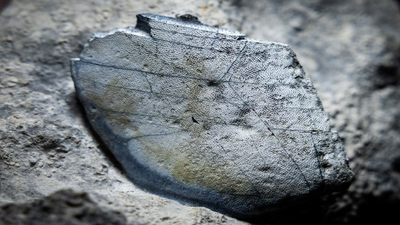
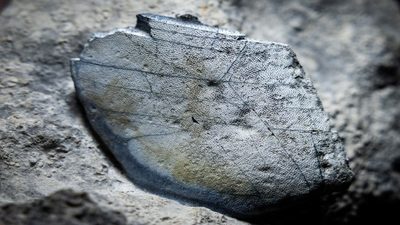
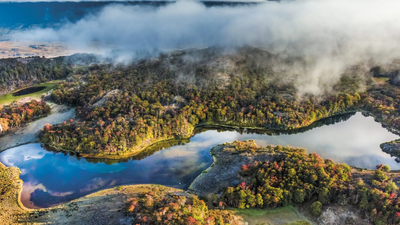
The grey aged limestones of Burren, located in County Clare, feel like stepping into another world. The attraction lies in the rarity of Arctic flowers, or the hypnotic stillness of the karst landscape. A recent find by a group of keen-eyed explorers has turned the attention away from beauty on the surface to the hidden secrets that lie beneath the rocks. The fossilised shark teeth, dating to an astounding 300 million years, have been discovered within the area for the first time.The discovery wasn’t made by huge excavation teams equipped with heavy equipment. It was instead the product of the eye of Phoebe Larkin and Emma Glanville, who work for the National Parks and Wildlife Service, and their local guide, Cormac McGinley. Their findings highlight a new development in the field of modern geoscience: the potential of citizen research. This proves that you do not necessarily need a PhD for a top-quality discovery. Sometimes, it’s just an interest in the subject and a strong attachment to the ground that you traverse every day.A glimpse into a prehistoric tropical seaIt’s hard to envision sitting in the frigid Irish breeze, but more than 330 million years ago in the Carboniferous period, Ireland was located near the Equator. The Burren wasn’t a rocky flat, but rather a warm, shallow tropical sea that was teeming with life. The limestone we have in the present is remnants of many marine creatures that inhabited and died in the ancient waters.The teeth that were found in Clare were identified as being part of Psephodus magnus. Contrary to the razor-sharp, serrated teeth of the Great White that we see in films, these old sharks had smooth, strong dental plates. They were specially-designed tools to perform a specific task, crushing the hard shells of ancient molluscs and fish. This finding adds a crucial element to the ancient diversity of Ireland, revealing to us who the most powerful predators of these long-forgotten lanes were.To comprehend the broader context for this species, researchers typically examine the foundational aspects of paleoichthyology. A large portion of our knowledge of how early fish interacted with their surroundings is based on research that has been published within the Journal of Systematic Palaeontology. The journal often outlines the development of dental plates during the early Chondrichthyans. This research helps geologists like Professor. Eamon Doyle and his colleagues from the University of Boulder and the National Museum of Ireland confirm the fact that fossils found in these rocks aren’t mere stones that have been thrown together; they are biological evidence from a time that existed before dinosaurs ever existed.
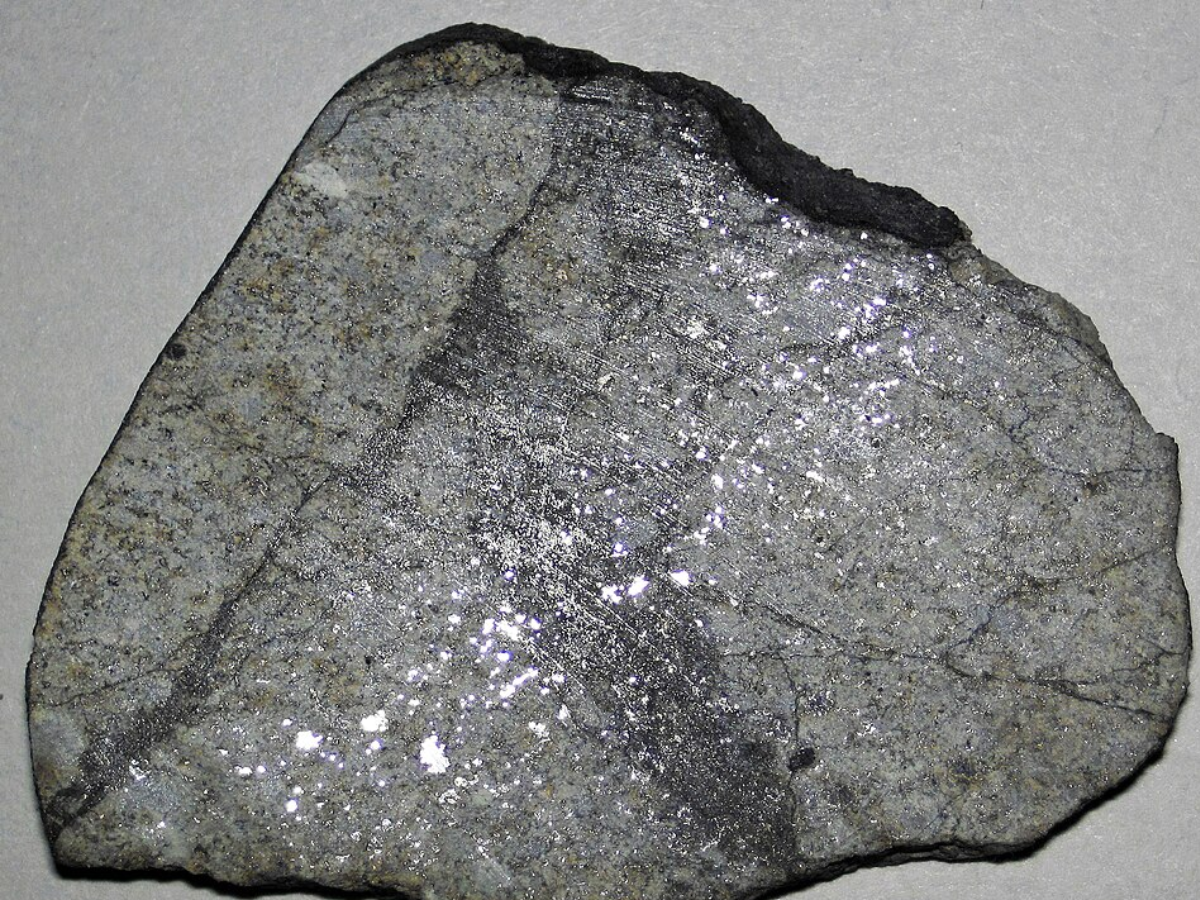
Fossilized shark teeth, dating back 300 million years, were recently discovered in County Clare’s Burren, revealing a prehistoric tropical sea. Image Credit: Wikimedia Commons
From Donegal to Clare: mapping the evolution of giantsAlthough the Burren discovery has been making headlines, it’s part of an ongoing story that is unfolding along the Irish coast. In Donegal, there is a fin spine that was discovered recently to belong to Oracanthus milleri. This animal is part of the extinct lineage of “spiny sharks” or the acanthodians. They were the first ancestors of the sharks that exist today, and developed over 400 million years ago.The connection between these old fossils and the species which we see today has something of an evolutionary turn. Though they’re ancestors to sharks of the present, Psephodus magnus is close to modern deep-sea ratfish rather than those sleek predators, such as those of the Tiger shark. This lineage is examined deep within the Biological Journal of the Linnean Society, in which researchers study the changes in the shape of marine vertebrates throughout thousands of years. The studies highlight how certain characteristics, such as crushing plates that are found within the Burren, were evolutionary reactions to the large number of prey species that were shelled found in Carboniferous reefs.The locals, as well as the personnel at the Cliffs of Moher, a UNESCO Global Geopark, are reminded that the earth under our feet is an ongoing museum. The scientist Dr Eamon Doyle noted that they are the very first evidence of any fossil fish that have been found in this particular area. This adds a whole new level of fascination for the Wild Atlantic Way. When hikers walk the rocky paths, it isn’t just a matter of looking at rocks. They are exploring the depths of an ocean that was once awash with “crusher sharks”, which were once a common sight.The discovery is an incredible intersection between life and scientific research. It makes us be more mindful and take a closer look at the world around us. No matter if you’re an expert geologist or casual trekker, The Burren is full of mysteries that are waiting to be revealed to anyone willing to pay attention. When you are next in County Clare, remember that you’re walking on an ancient graveyard that dates back 330 million years, which is preserved in stone for all future generations to explore.