
Scientists found hidden populations within common gut bacteria that can spread internationally within decades and are associated with ageing, colorectal cancer, IBD and type 2 diabetes
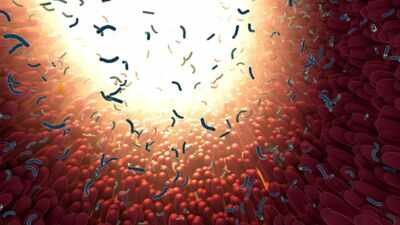
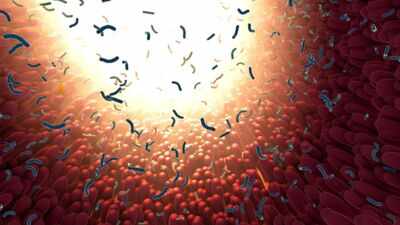
The human gut is home to trillions of microorganisms that together form the gut microbiome. These microbes play important roles in digestion, immune function and metabolism. Now, researchers led by the University of Vienna have found that common gut bacteria may be more complex and more transmissible than previously thought.The study found hidden populations within several common bacterial species. Some of these populations were associated with advanced age, colorectal cancer, inflammatory bowel disease (IBD) and type 2 diabetes. The researchers also found evidence that some bacterial populations can spread between people and across continents, Science Daily reported.In some cases, these bacterial populations appear to have expanded across continents within only a few decades. Such rapid international spread has mainly been observed in pathogens in earlier research. The new findings suggest that ordinary gut bacteria can also move between populations and establish themselves in new environments.The study, published in Nature, could change how scientists study links between the gut microbiome and disease. Instead of looking at an entire bacterial species as one group, researchers may be able to identify smaller populations that have adapted to specific conditions inside the gut.
Looking Beyond Bacterial Species
Most microbiome studies group bacteria by species or broad genetic similarity. While this approach is useful, it can hide differences between bacterial populations that have adapted to different conditions inside the human gut.As a result, it can be difficult to establish whether a particular bacterium is directly linked to a disease, is simply present at the same time, or could have a protective effect. The University of Vienna team therefore looked for bacterial groups that showed signs of adaptation and specialisation.The researchers used an analytical strategy called “reverse ecology”. This approach uses genomic information to understand how organisms have adapted to particular environments.The team examined thousands of bacterial isolates collected from the human gut, along with large amounts of metagenomic data from people in different countries and from different age and health groups. Metagenomic data contains the complete genetic information of microbial communities found in a sample.
Genetic Clues Reveal Hidden Populations
One important clue came from what scientists call “genome-wide selective sweeps”. This happens when an individual develops a beneficial mutation that gives it an advantage over closely related individuals.As the successful individual and its descendants become dominant, genetic diversity within that population falls. This can help researchers identify groups that are closely related in ancestry and biological function.Using these signals, the researchers found that many familiar gut bacterial species could actually be divided into several distinct evolutionary lineages. These populations appear to be adapted to different conditions within the gut.“If you don’t just count species but take evolutionary adaptation into account, you can identify the biologically relevant units in the microbiome much more accurately,” said lead author Xiaoqian Annie Yu of the Centre for Microbiology and Environmental Systems Science (CeMESS), University of Vienna.“Even within the same bacterial species, some populations occur more frequently than others in certain diseases. When all are considered together, this often remains hidden.”
Some Gut Bacteria Can Spread Internationally
The researchers also found evidence that some particularly competitive bacterial populations can spread over large geographic distances. In some cases, they appear to have expanded across continents within just a few decades.The finding is notable because patterns of such rapid spread have previously been seen mainly among pathogens. The study suggests that gut bacteria that are not necessarily pathogens can also move between people and populations.“Our findings show that gut bacteria are also more dynamic than previously thought. Well-adapted strains can spread internationally and occupy new ecological niches,” said study leader Martin F. Polz of the University of Vienna.The findings also indicate that the composition of the gut microbiome may be influenced by more than diet, medication and lifestyle. Transmission between people could also play a role in determining which bacterial populations become established and spread.
Could This Improve Microbiome-Based Treatment?
The discovery may help researchers make more precise connections between gut bacteria and disease. Rather than considering every member of a bacterial species in the same way, scientists could focus on specific populations associated with particular health conditions.This could help in the search for more precise microbiome biomarkers. In the longer term, it may also support treatments designed to target specific bacterial populations instead of entire species.Such approaches could potentially encourage beneficial bacterial strains while suppressing populations associated with harmful effects. However, the study does not establish such treatments; it identifies bacterial populations and their associations.The researchers now plan to investigate which genes distinguish these bacterial populations from one another. They also want to understand what biological functions are produced by these genetic differences.