‘Rural safety net under attack’: Jairam Ramesh calls MGNREGA replacement a ‘surgical strike’ | India News
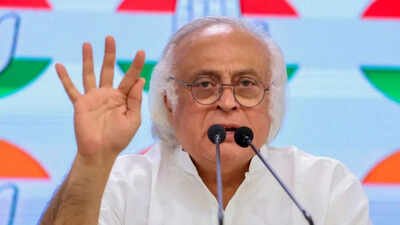
NEW DELHI: Congress leader Jairam Ramesh on Tuesday called the replacement of the Mahatma Gandhi National Rural Employment Guarantee Act (MGNREGA) with the VB-G RAM G Act a “surgical strike” on the social safety net protecting rural India, alleging that the move had weakened support for workers facing distress.In a post on X, Ramesh referred to drought conditions in Beed and other districts of Maharashtra, which he said were facing their worst drought in a decade. He said MGNREGA had provided a guarantee of support to rural workers during such crises, but alleged that its replacement had undermined that protection.“Beed and other districts in Maharashtra are facing the worst drought in a decade. MGNREGA was the guarantee of support in such times of extreme distress. But its replacement with VB-G RAM G is nothing less than a surgical strike on the social safety net that protected rural India,” he wrote.

Jairam ramesh alleges wage theft, fake attendance
Ramesh also cited a field-level investigation published by a media outlet, alleging that villagers had not received work for months despite official records showing them as employed.
Share your thoughts in the comments
Be respectful · TOI community guidelines
He claimed that local politicians were pocketing workers’ wages and alleged that similar cases involving fake attendance and clone application scams had been reported in Uttar Pradesh and other BJP-ruled states.“This is not just corruption, but systemic theft of workers’ wages,” Ramesh said, accusing the government of presiding over what he called the theft of rural wages.
MGNREGA replaced by vb-g ram g act
The Viksit Bharat-Guarantee for Rozgar and Ajeevika Mission (Gramin) Act, or VB-G RAM G Act, came into effect on July 1 after being passed during Parliament’s Winter Session in 2025.The legislation replaced MGNREGA’s 100-day employment guarantee with a 125-day guarantee. However, the Opposition has criticised the new law over the removal of Mahatma Gandhi’s name from the scheme and the introduction of a 60:40 Centre-State funding arrangement.