No-dad pup: Female shark produced baby without a male in Illinois zoo |
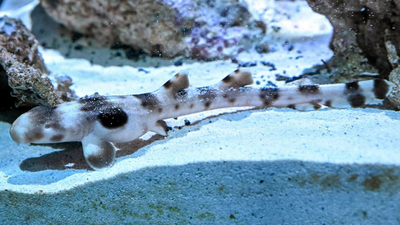
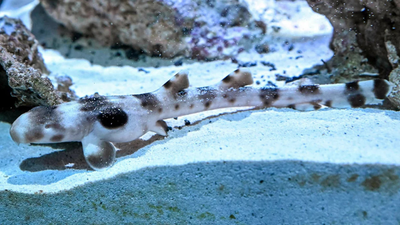
A female epaulette shark at Brookfield Zoo in Illinois produced a pup in 2023 despite having no contact with a male for years, in a rare example of parthenogenesis among sharks. The female, which arrived at the zoo in 2019, began laying eggs in 2022, with most considered infertile. One eventually developed into an embryo and hatched on August 23, 2023, after about five months of incubation. By November that year, the young female was around two months old, about five to six inches long and had gone on public display at the zoo’s Living Coast exhibit. Zoo staff said she was feeding well and being closely monitored.
A birth that did not require a male
The case was unusual because the mother had not been housed with a male epaulette shark since arriving at Brookfield Zoo. She had been laying roughly two to four eggs a month from 2022, but almost all failed to develop. The successful egg eventually produced a healthy pup, prompting animal-care staff to identify parthenogenesis as the likely explanation. The female was only about three years old when she arrived at Brookfield, while the species is generally considered to reach sexual maturity much later.
How shark parthenogenesis works
Parthenogenesis allows an embryo to develop without genetic material from a male. In sharks, the process is generally described as automictic parthenogenesis. During egg formation, cells called polar bodies are produced alongside the egg. In some cases, one of these cells can contribute genetic material back to the egg, allowing development to begin without sperm. The offspring therefore receives its genetic material entirely from the mother, although it is not necessarily an exact genetic copy of her. This unusual reproductive strategy has been documented in several shark species, particularly in captive animals.
It was not the first epaulette shark to do this
Brookfield’s pup was notable because it was only the second reported case of an epaulette shark produced through apparent asexual reproduction at an Association of Zoos and Aquariums-accredited facility. The earlier case was recorded at the New England Aquarium, where Brookfield’s adult female epaulette sharks originated. The species has also become an important subject for captive breeding research, with the New England Aquarium reporting its 100th epaulette shark hatchling in 2024 after maintaining a successful breeding programme for more than a decade.
The pup was kept behind the scenes before its debut
Animal-care staff did not immediately put the newborn on display. It was monitored for about two months while keepers watched its development and feeding. By November 2023, the pup was eating finely chopped capelin, squid tentacles and other seafood. Brookfield staff also consulted colleagues at the New England Aquarium because parthenogenetically produced shark pups can be particularly delicate. The young shark was then introduced to visitors at the Living Coast exhibit.
A shark built to walk across reefs
The unusual birth is only one of the reasons epaulette sharks attract scientific interest. Hemiscyllium ocellatum is a small, mostly nocturnal shark found in warm, shallow waters around northern Australia and New Guinea. Instead of relying solely on swimming, it can use its muscular pectoral and pelvic fins to move along the seafloor and negotiate exposed reef areas and shallow pools. This ability allows it to survive in environments where oxygen levels can fall sharply during low tides.
The species is better known for survival than size
Epaulette sharks generally remain relatively small, reaching roughly 2½ to 3 feet as adults, and feed on small fish and invertebrates around coral reefs and the seafloor. Their distinctive dark markings near the head resemble the shoulder decorations known as epaulettes, giving the species its name. They are also among the group commonly known as walking sharks, a collection of closely related species recognised for their unusual fin-assisted movement.
What happened after the 2023 debut
The publicly documented information from Brookfield Zoo records the pup as healthy and feeding normally when it went on display in November 2023. I could not find a reliable later Brookfield Zoo or Chicago Zoological Society update that establishes the shark’s current status in 2026, so the 2023 condition is the latest status that can be stated confidently. The birth nevertheless added another important case to the growing scientific record of parthenogenesis in sharks and showed that the reproductive phenomenon can occur even in a species whose normal life cycle depends on sexual reproduction.