In 2024, four Klamath River dams came down, reopening habitat blocked for over a century; in two salmon runs, 21,052 Chinook moved upstream and reclaimed 88% of their historic range
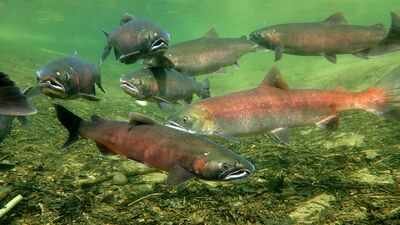
Four concrete barriers blocked the way for salmon that once swam freely between the Pacific Ocean and the high desert reaches of Oregon and California for more than a hundred years. The dams were removed in 2024 as part of one of the largest dam removal projects in U.S. history, letting the river flow freely for the first time in generations. The results were swift and striking. Within just two salmon runs, more than 21,000 Chinook salmon moved upstream, accessing 88 percent of the range they historically occupied before the dams were built. As detailed in research titled ‘Rewilding the upper Klamath River Basin’ published in Nature, the rapid return of the fish offers powerful evidence of how quickly ecosystems can begin to heal when key obstacles are taken away.A river cut offThe Klamath River stretches more than 250 miles from the high lakes of southern Oregon to the Pacific coast of northern California. For thousands of years, it supported one of the most productive salmon runs on the West Coast. Chinook, coho and steelhead travelled hundreds of miles inland to spawn in cold, clear tributaries, sustaining rich food webs and indigenous communities along the way.That changed in the early 20th century, when a series of hydroelectric dams were constructed on the lower Klamath. Four of these dams, built between 1903 and 1962, created a chain of reservoirs that flooded river canyons and blocked fish passage. Salmon could no longer reach the upper reaches of the basin. Their numbers declined sharply, and with them went cultural practices, commercial fisheries and ecological functions that had long depended on the annual pulse of returning fish.A decision to remove the damsFor decades, tribal nations, fishing groups and conservation organisations called for the dams to be removed. They argued that the structures were outdated, economically marginal and ecologically destructive. The reservoirs trapped sediment, warmed the water and created conditions favourable to algae blooms and fish disease. Meanwhile, the dams prevented salmon from accessing hundreds of miles of spawning and rearing habitat.After years of negotiation, regulatory approvals and planning, the decision was made to decommission the four lower Klamath dams. Crews started removing the concrete barriers, draining the reservoirs and starting the work of restoring the river channel starting in 2023 and ramping up through 2024. By the end of 2024, the Klamath was flowing freely from its headwaters to the sea for the first time since the early 1900s.Salmon return in forceWith the barriers gone, the question on many minds was how quickly salmon would respond. Fish biologists and tribal monitors set up counting weirs, cameras and survey stations along the river and its tributaries to track returning adults. The first full runs after dam removal provided a clear answer.In the two salmon runs following the removals, a total of 21,052 adult Chinook salmon were documented moving upstream past former dam sites. These fish travelled far beyond the reservoirs that had once trapped them, reaching spawning grounds in the upper Klamath Basin that had been inaccessible for more than a century. Based on historical records and habitat mapping, researchers estimate that this movement allowed Chinook to reclaim about 88 percent of their historic range in the basin.What the numbers meanThe return of more than 21,000 Chinook in just two runs is significant for several reasons. First, it shows that adult salmon were able to find and use the newly opened habitat almost immediately. There was no long lag while the river adjusted or while fish “learned” new routes. The instinctive drive to return to natal streams appears to have guided them successfully once the physical barriers were gone.Second, the scale of the range recovery is remarkable. For generations, Chinook were confined to the lower portions of the Klamath and a few tributaries below the dams. Now they can once again spread out across the upper basin, using a much wider array of streams, side channels and floodplain habitats. This spatial diversity is critical for resilience, because it spreads risk across different environments and reduces the chance that a single event, such as a heat wave or disease outbreak, will wipe out the entire run.Third, the numbers suggest that the population has more room to grow. With far more habitat available, the river can potentially support larger runs in the future, provided that other stressors such as water quality, ocean conditions and harvest are managed carefully.Benefits beyond salmonThe return of Chinook to the upper Klamath is not just a victory for the fish. It ripples through the entire ecosystem and the human communities tied to the river. Salmon bring nutrients from the ocean into inland waters and forests when they spawn and die. Those nutrients feed insects, birds, mammals and plants, boosting productivity throughout the landscape.The return of salmon is of profound cultural and spiritual significance to tribal nations along the Klamath. Fishing ceremonies, traditional diets and intergenerational knowledge that were disrupted by the dams can now be revitalised. Commercial and recreational fisheries may also benefit over time as runs rebuild, supporting local economies that have struggled during decades of low returns.From a river health perspective, the removal of the dams has already begun to change the Klamath’s physical character. Sediment that had been trapped in reservoirs is moving downstream, rebuilding gravel bars and spawning beds. With the return of the river’s more natural flow regime, water temperatures should cool, providing better conditions for salmon eggs and juveniles.A faster recovery than expectedOne of the most striking aspects of the Klamath story is the speed of the response. Large-scale ecosystem restorations are often assumed to take decades to show major results. In this case, measurable gains in fish distribution and habitat access occurred within a single year of dam removal.Scientists caution that the work is not finished. Long term monitoring will be needed to track how juvenile salmon survive, how ocean conditions affect returns and how the river channel continues to adjust. Climate change, water management and land use in the basin will all influence the trajectory of the recovery. But the early data make clear that removing the right barriers can unlock rapid and substantial benefits.Lessons for other riversThe Klamath dam removals are being watched closely by communities and policymakers across the country. Hundreds of ageing dams dot American rivers, many of them no longer economically viable and some of them blocking critical fish habitat. The Klamath experience suggests that when dams are removed thoughtfully and in coordination with tribal partners, regulators and scientists, the ecological payoffs can be large and fast.It also underscores the importance of setting clear goals and investing in monitoring. The ability to document that 21,052 Chinook reclaimed 88 percent of their historic range did not happen by accident. It required coordinated fieldwork, data sharing and analysis that can now inform future restoration projects.A river running free againStanding on the banks of the Klamath today, it is possible to see the outlines of the old reservoirs in the broad, sediment-filled valleys, but the river itself is no longer held back. It rushes through former dam sites, carving new channels and reconnecting with floodplains that have waited generations for this moment.In the water, the signs of life are returning. Salmon push upstream in numbers not seen in living memory, reaching spawning grounds their ancestors used before the first concrete was poured. For the people who have fought for this outcome, the sight is both a validation and a promise. It shows that even after a century of damage, a river can begin to heal, and that the creatures who depend on it can come home again.