In 1896, William Hadaway patented an electric stove, helping transform cooking from wood, coal and gas to modern electric appliances |
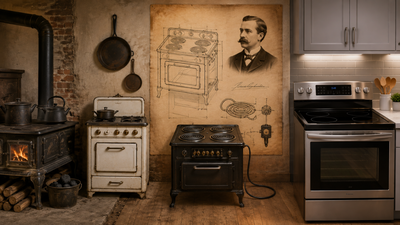
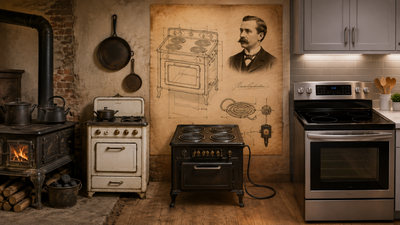
In 1896, American electrical engineer William Hadaway received the first patent for an electric stove, marking an important step in the development of electric cooking. His patent came just four years after Canadian executive Thomas Ahearn put together the first electric range in 1892, as cooking technology was moving beyond wood, coal and gas. According to the National High Magnetic Field Laboratory, gas stoves had already become popular because they were easier to operate and required less space, but electric ranges would eventually begin competing with them. By the late 1920s, electric stoves were entering the same market as gas appliances, offering advantages including easier cleaning, lower cost and faster cooking. The technology continued to evolve through resistance heating, glass-ceramic burners and, later, induction cooking. Hadaway’s 1896 patent therefore sits within a longer history of technological changes that transformed the way homes and businesses heated and prepared food.
How did the electric stove change cooking
The development of the electric stove followed major changes in household cooking. Benjamin Franklin invented an iron wood-burning stove in the mid-18th century, and gas stoves later replaced many coal and wood burners because customers found them easier to operate and less space-consuming.English inventor James Sharp received a patent for a gas stove in 1826, and by the beginning of the 20th century, gas ovens had become commonplace in households. The move towards electricity represented the next stage in this progression, with several technological breakthroughs eventually making electric ranges possible.Although the first electric range was assembled in 1892, electric stoves did not immediately become household standards. Electric stoves began competing with their gas counterparts by the late 1920s. Their appeal came from several practical advantages, including being easier to clean, less expensive and faster.The National MagLab notes that some cooks objected to the change, believing that electric cooking removed part of the traditional art of cooking. Despite those concerns, electric ranges continued to develop, with many manufacturers producing models based on resistor heating coils and similar fundamental components.
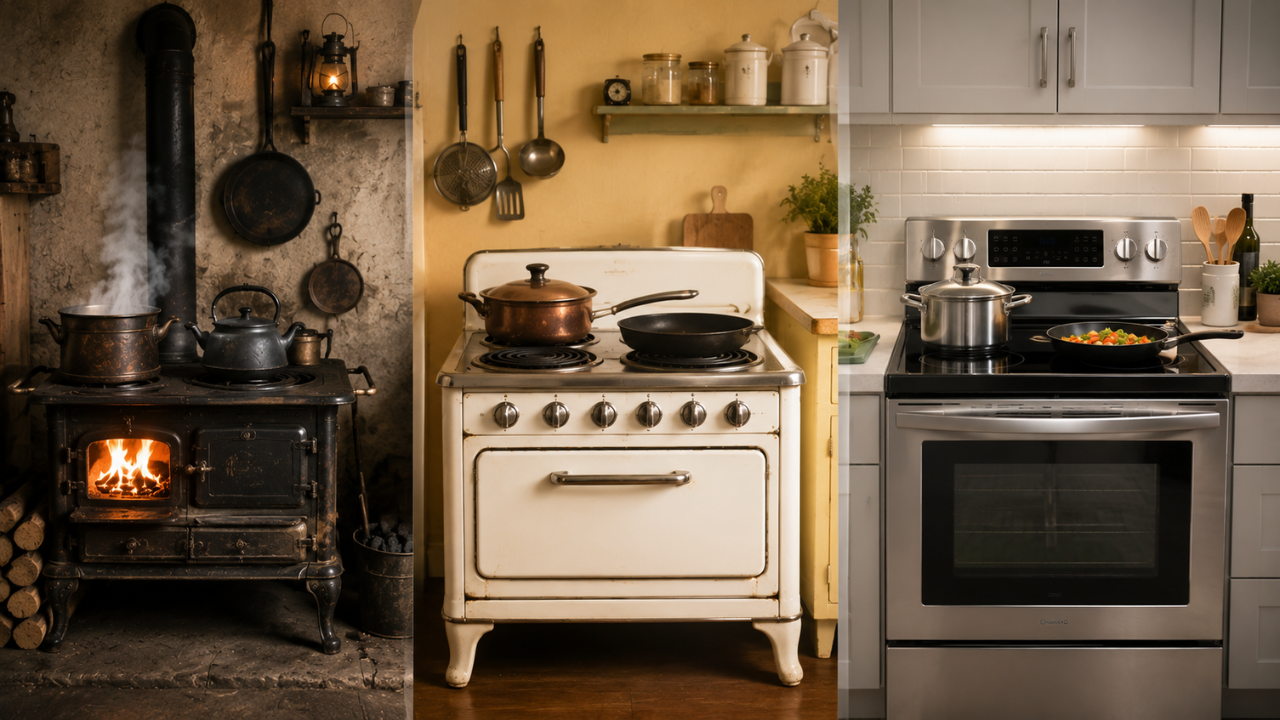
Image AI generated
How does an electric stove produce heat
Modern electric ranges use resistance heating to convert electrical energy into heat. Burners commonly contain nichrome-alloy resistance wires. When electricity passes through these wires, they produce heat, while different heat settings are controlled by changing the voltage allowed through the wires.The technology later developed beyond traditional resistance coils. Glass-ceramic burners were introduced in the 1970s, offering faster heating, minimal afterheat and a smooth surface that was easier to clean. Another development was induction cooking, which uses electromagnetic induction and requires pots and pans with ferromagnetic bottoms. The National MagLab places Hadaway’s 1896 electric-stove patent within this longer progression of cooking technology that eventually led to the electric and induction appliances used today.
How did electric stove technology evolve
The evolution of the electric stove did not stop with resistance heating. Manufacturers first produced electric ranges using broadly similar components, including nichrome-alloy resistance wires, thermostats, timers and separate baking and broiling elements. As electricity passed through the resistance wires, they heated up and transferred heat to cookware. Later, glass-ceramic burners introduced in the 1970s offered quicker heating, minimal afterheat and a smooth surface that was easier to clean. Induction cooking represented another significant development, using electromagnetic induction rather than directly heating a conventional resistance element. This method requires pots and pans with ferromagnetic bottoms. These innovations expanded the capabilities of electric cooking, allowing the technology to progress from early resistance-coil designs to smoother, faster and more advanced cooking systems found in modern kitchens.