Florida’s first flesh-eating bacteria death of 2026 raises concerns during beach season as warm waters fuel infections |
Florida health authorities have officially confirmed the state’s first fatality of 2026 linked to Vibrio vulnificus, a naturally occurring ‘flesh-eating bacteria’. This specific death involved a resident of Palm Beach County aged between 80-84 years. According to the BEACON(public health program based at Boston University) , these cases are distributed across the Gulf and Atlantic coasts, including areas such as Hillsborough, Lee, and Miami-Dade. While the total number of infections are slightly below the figures seen during the previous hurricane-filled years, the doubling of case counts since June highlights a significant seasonal peak. Health officials point out that the bacterium prosper in warm, brackish coastal waters, particularly between May and October. Public awareness is of utmost importance as the state enters the peak of the summer recreation and hurricane season.
What is Florida ’s flesh-eating bacteria that killed its first target
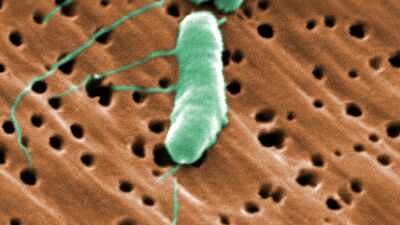
Vibrio vulnificus is a bacterium that naturally lives in coastal environments, particularly salt water and brackish water (a mixture of fresh and salt water). Information provided by University of South Florida clarifies that the bacterium does not actually ‘eat’ flesh in a literal sense. It produces toxins that cause the surrounding skin and soft tissue to die.These organisms are highly adaptable when water temperatures rise, making Florida’s coastal regions a primary habitat. As per the National Library of Medicine, global climate change has allowed this bacterium to expand towards further north, but the warm, salty waters of the Gulf Coast remain its favorite home.
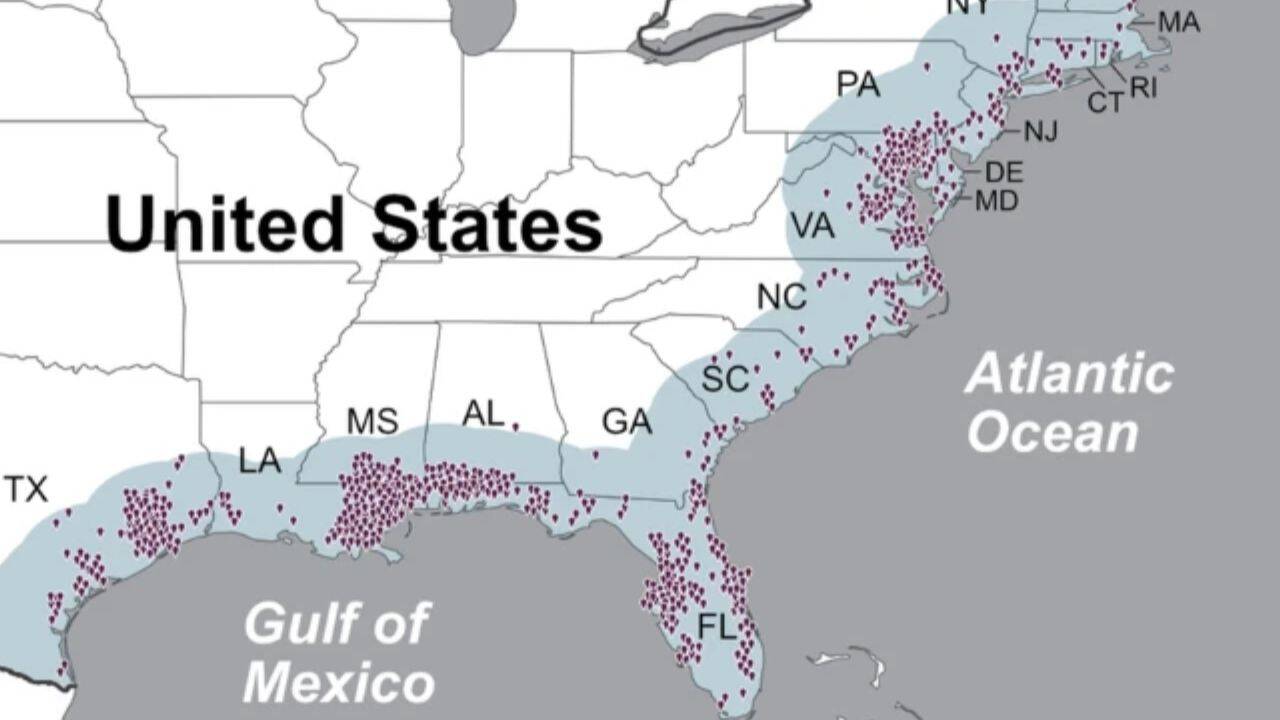
Map illustrating the distribution ofVibrio vulnificus infections along the coastal United States. Image Credit: nature.com
How can people come in contact with this infection
There are two primary ways a person might come into contact with this dangerous bacterium. The first is through the consumption of contaminated food, specifically raw or undercooked shellfish like oysters. Oysters can concentrate the bacteria within their tissues, making them particularly hazardous if eaten raw. The second common reason for infection is when an open wound gets exposed to seawater or brackish water containing the bacteria. It is important to remember that ‘open wounds’ are not just large cuts, even tiny scratches, recent surgical sites, new piercings, or fresh tattoos can provide an entry point for the infection.
Who is at the highest risk from this disease
According to the Florida Department of Health, individuals with weakened immune systems are at a substantially higher risk. This includes people living with chronic liver disease, cancer, diabetes, HIV, or those receiving treatments that suppress the immune system. University of South Florida reports that a recent study found people with these pre-existing conditions were eighty times more likely to develop this infection from this bacterium than healthy individuals. Furthermore, men over the age of forty appear to be more vulnerable, because of a higher prevalence of liver disease within that age group.
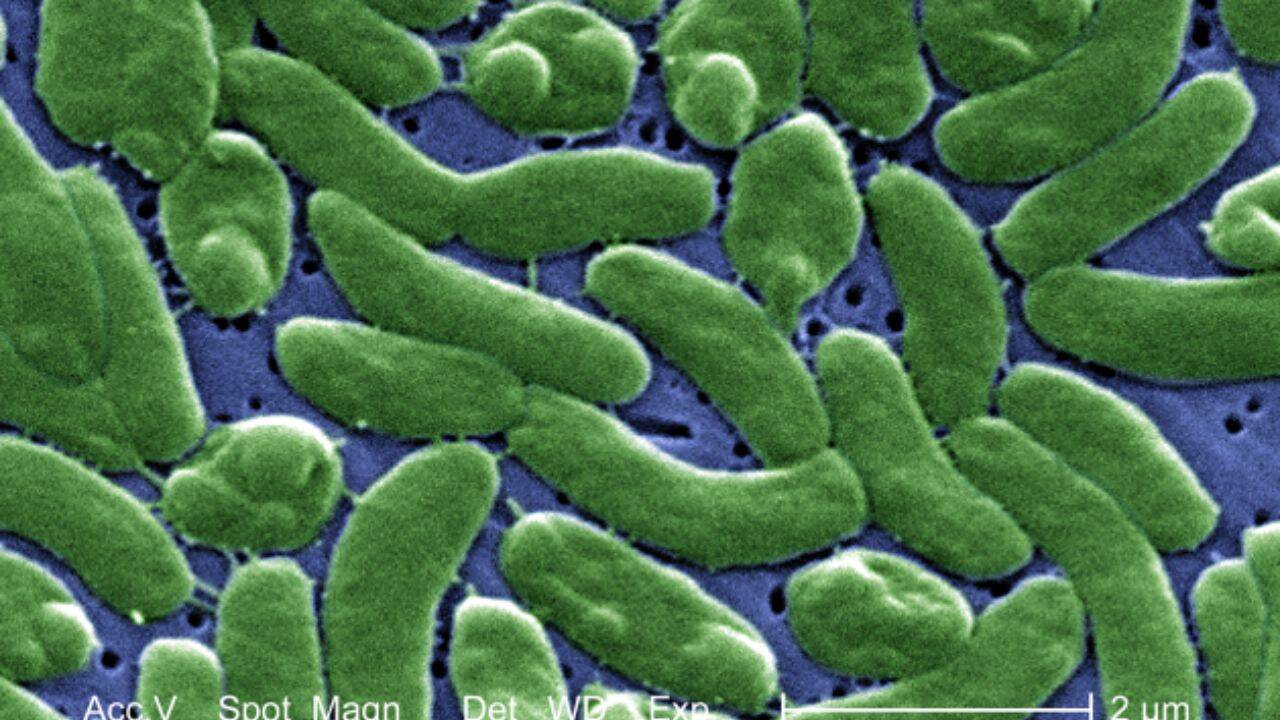
Image Credit: CDC/James Gathany
What are the possible symptoms to look out for
If the bacteria were swallowed, a person might experience gastrointestinal distress, such as watery diarrhoea, stomach cramps, nausea, vomiting, fever, and chills. However, if the infection begins in a wound, the signs are often more visible and aggressive. The Hillsborough Community Health Newsletter lists redness, intense pain, swelling, and warmth as early indicators. This can rapidly progress to the formation of fluid-filled blisters, known as bullae, which often turn a dark purple colour. Because these infections can spread through the individual within just 1-2 days, every hour counts when seeking help.
Ways of protection during the visit at the beach
The Centre for Disease Control(CDC) and the Florida Department of Health in St. Johns County recommend staying out of salt or brackish water entirely if you have any open cuts or wounds. If you must go near the water, ensure any breaks in the skin are completely covered with a waterproof bandage. After swimming or handling raw seafood, always wash your skin thoroughly with soap and clean, running water. For those who enjoy seafood, the advice is clear to ‘avoid raw oysters and shellfish.’ Only cooking these items to the correct temperature will kill the bacteria.
Why is weather an important factor in these outbreaks
The bacteria thrive in warm water, which is why cases typically peak between May and October. However, extreme weather events like hurricanes play a significant role in sudden surges of the disease. Hurricanes Ian in 2022 and Helene in 2024 both led to an unusual increase in cases because storm surges pushed brackish water into inland areas, exposing many people during evacuations and clean-up efforts. The BEACON report notes that while 2026 has been relatively quiet so far regarding major storms, the doubling of cases in the mid-summer months indicates that the seasonal heat alone is enough to drive bacterial growth. Given that bloodstream infections are fatal roughly 50% of the time, the message from all health agencies is ‘do not wait.’ Early intervention is the most effective tool in surviving this rare but dangerous bacterium.