Asian Games 2026: ‘My biggest bet would surely be the doubles’ – Neha Aggarwal Sharma on India’s table tennis medal hopes | Asian Games 2026 News


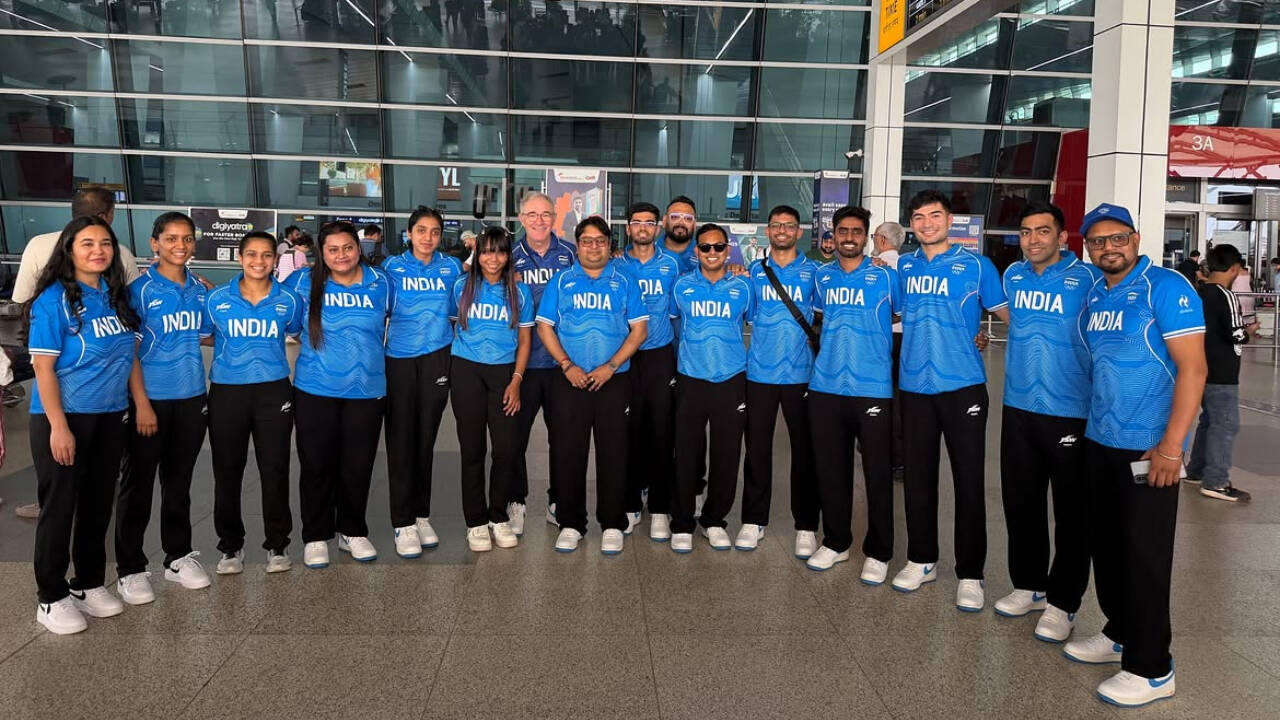
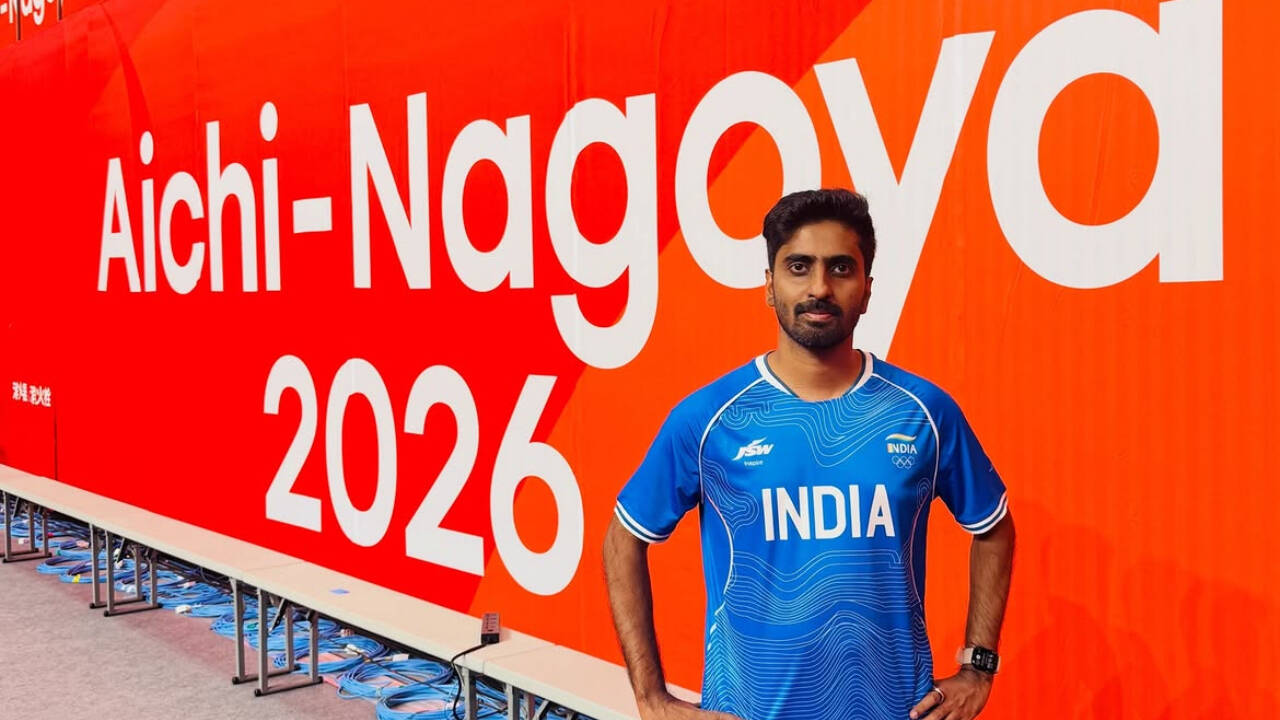
India’s 10-member table tennis contingent is already in Japan, with the Aichi-Nagoya competition for the event beginning on September 20. At the forefront are world No. 3 men’s doubles pair Manav Thakkar and Manush Shah, while India also has experience in Sathiyan Gnanasekaran and Harmeet Desai, and a younger group featuring Sreeja Akula, Yashaswini Ghorpade, Diya Chitale and Syndrela Das.For Neha Aggarwal Sharma, the difference between this Indian team and the one she was part of at the 2014 Asian Games is hard to miss.“I remember when I played at the 2014 Asian Games, we lost in the quarterfinals. We played against China. It was a close match.”“We lost a few others. I mean, we weren’t really expected to win medals and it was okay. And now cut to 2026, if you look at, say, my sport, table tennis in particular, we are going in as the world number three in men’s doubles,” Sharma told Timesofindia.com in an exclusive interaction facilitated by Sony Sports Network.12 years on, the expectation around Indian table tennis has changed. Sharma sees it not only in the rankings and results, but in how the players approach international competition.“The sort of improvement that India has seen is phenomenal. And I think that mindset shift is what is, to me as an athlete, what we need to see. And we are seeing now for India, Indian sports overall.”For table tennis specifically, however, Sharma is not suggesting the job is done. India has moved up the rankings, won at the WTT Feeder level and started collecting medals at Contenders. However, against China, Japan and Korea, the consistency is still missing.“We are winning, say, at the WTT level, we are winning feeders. We are now winning medals at the Contenders, we have had some good performances at the [WTT] Star Contenders as well. But I think we are not consistently beating China, Japan and Korea.“You would see one-off wins here and there. But for us to really bridge that gap, I think it is going to take another generation to do that,” assessed the 2008 Olympian.
Doubles carries the clearest medal opportunity
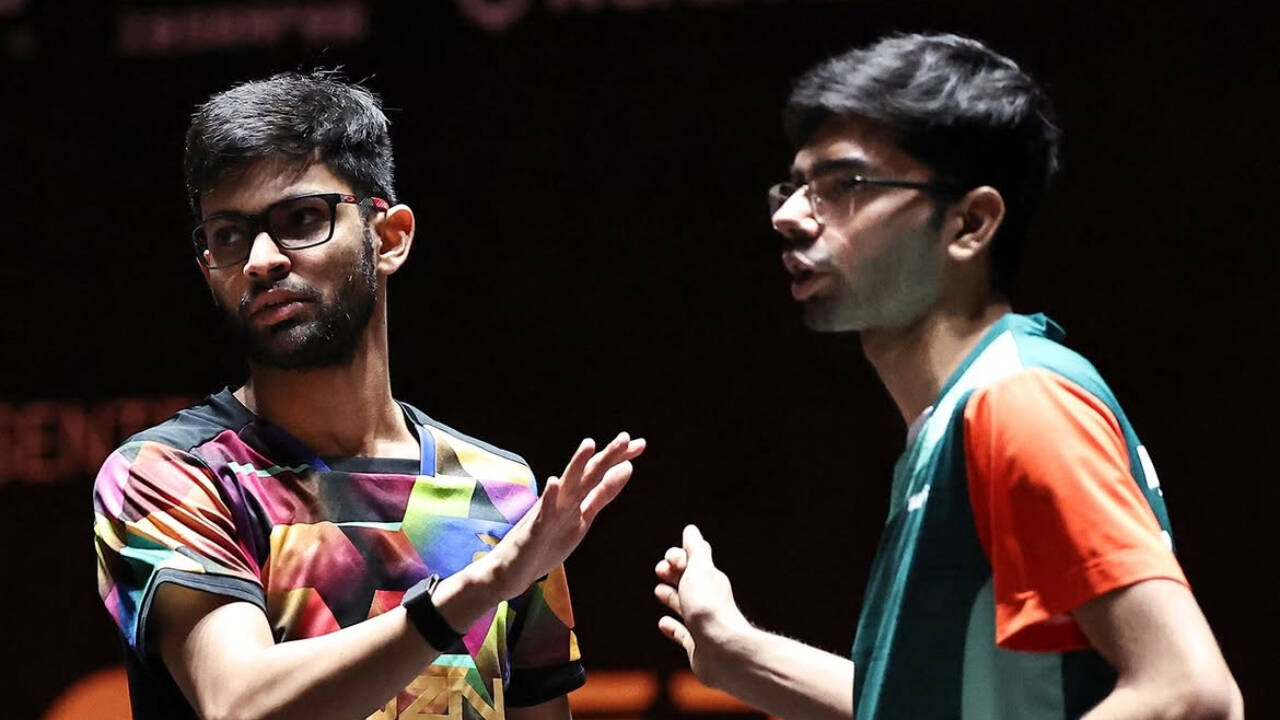
The strength of this Indian squad is spread across the doubles events, and for Sharma, that is where India can realistically challenge for medals and build towards the Los Angeles Olympics in 2028.“Firstly, we have to start building the narrative for mixed doubles and men’s and women’s doubles. Why? it is at the Olympics now, very simple. And even if you talk from LA perspective, these are the events which are our genuine medal chances.”“So, even, not to put pressure on Manav, Manush, Dia, Yashaswini, but genuinely we have chances,” quipped the former No. 1 ranked Indian paddler.India also has a recent Asian Games reference point in women’s doubles. Sutirtha Mukherjee and Ayhika Mukherjee had won a historic bronze at the 2022 Hangzhou Games.“Last time, if you recall, Suteertha and Ahika had won the bronze in the women’s doubles. So that’s one clear, clear medal chance,” said Sharma.
Men’s team has experience around Manav and Manush
The men’s team combines the current form of Manush and Manav with the experience of Sathiyan and Harmeet. Sathiyan has been a mainstay of Indian table tennis for more than a decade, and Sharma believes his experience can have a role in the team event.“Manush is in fantastic form. Manav has been doing great as well, and it is good to see Sathiyan back. He had a bit of a downfall the last two years, but very, very happy to see [him back] because his experience will count quite a lot from the team’s perspective.”
India’s women’s team, meanwhile, has a different task. Sharma recalled the previous Games, when India lost to Thailand in the round of 16.“I think this time, if we get past that round of 16, once you’re in the quarterfinals, you’ll have China, Japan, Korea and I think Hong Kong or Singapore, either of these four countries, depending on the draw. There it’s anybody’s game, in my opinion, so it is possible.”And she believes the men have the stronger team-event chance.“I do believe the men have a better chance in the team events than the women do.”But when asked where she would put her strongest medal call, Sharma went back to the doubles.“We can surely get medals in the team events as well. But my biggest bet would surely be the mixed doubles and men’s and women’s doubles events.”
The Manika Batra gap
There is also a conspicuous absence from India’s women’s team. Manika Batra was left out of the Asian Games squad after not meeting the selection criteria, with her absence from domestic events meaning she did not feature in the TTFI’s national rankings. Batra publicly questioned the consistency and transparency of the selection process and sought a detailed explanation from the federation.It has left India without one of its most experienced women’s players for the Asian Games – and Sharma was careful not to let the selection row overshadow what the team taking the court in Japan can do.“Keeping the controversy aside, see, I think Manika has really asserted her position in world table tennis as somebody who can beat anybody at any time.”“You can see from 2018 onwards, that’s when she rose. And till now, you keep seeing these one-off wins. And when we spoke about consistency, right? Like Manika has been able to consistently beat world top 20 players.”
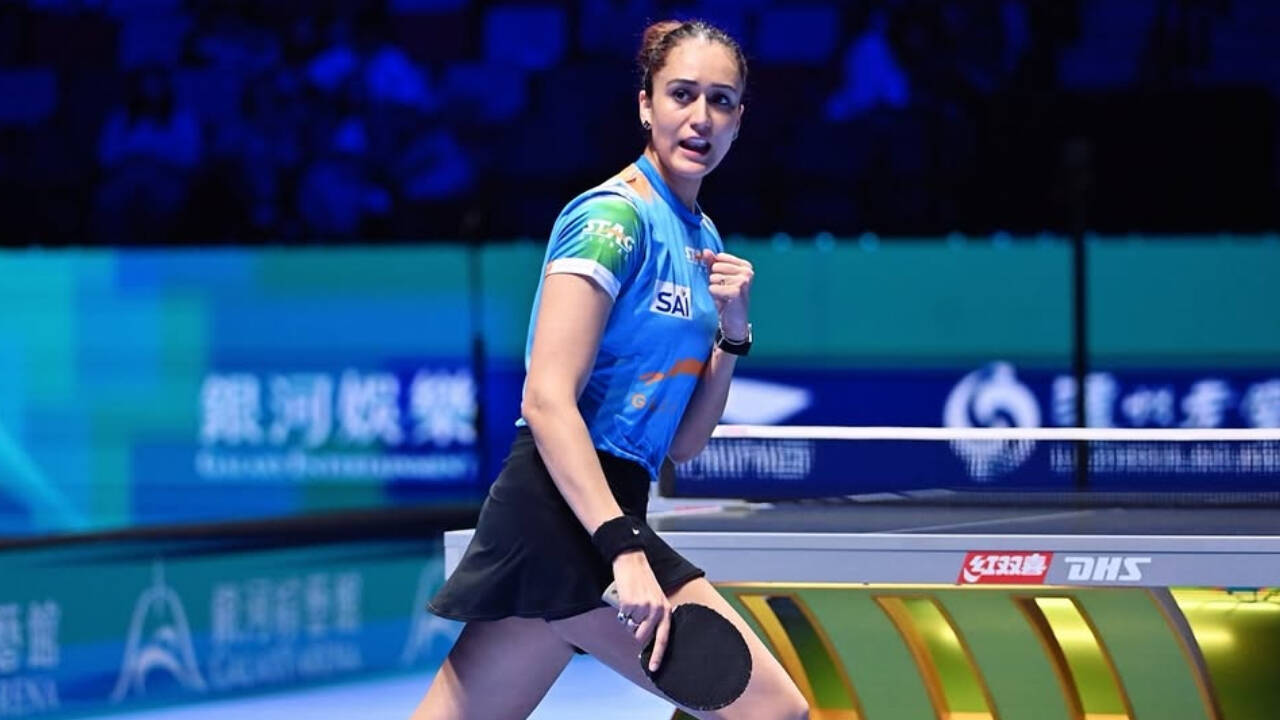
For Sharma, Batra’s value also comes from her ability to handle pressure and the way her presence can affect an opponent.“She is one player who performs well under pressure. You need those players in your team. Second, also similar is Sreeja.”But Sharma emphasised that the focus has to be on the players who will be in Japan.“We will miss Manika. But yes, players like her just boost the morale in a different way. Even from the opponent’s perspective that, you know, somebody like her is there. But having said that, I just feel that let’s not get into all of that.”“Let’s focus on who we have. Sreeja is just fresh off of winning the feeder at Puerto Princesa. I think, even somebody like a Syndrela Das, she just plays her heart out.”
Divyanshi and Syndrela lead the next generation
There is a wider point to Sharma’s argument about the gap with China, Japan and Korea. India has had players such as Sharath Kamal and Manika Batra who could produce results at the highest level.Now, Sharma is looking at the teenagers coming through behind them – among them Divyanshi Bhowmick and Syndrela, two players she believes have the game and mindset to eventually challenge the best in Asia.Syndrela is already in Japan with the Asian Games squad; Bhowmick figures in Sharma’s assessment of the larger pipeline.“To build a generation of athletes, say, for example, a Divyanshi Bhowmick or a Syndrela Das, right, at respectively 15 and 17 years old, the sort of game that they have and the mindset that they have, they are really the ones who can consistently be there at the level where we can beat our top class of China, Japan, Korea.”Sharma pointed to the number of young Indian players now competing at WTT events.
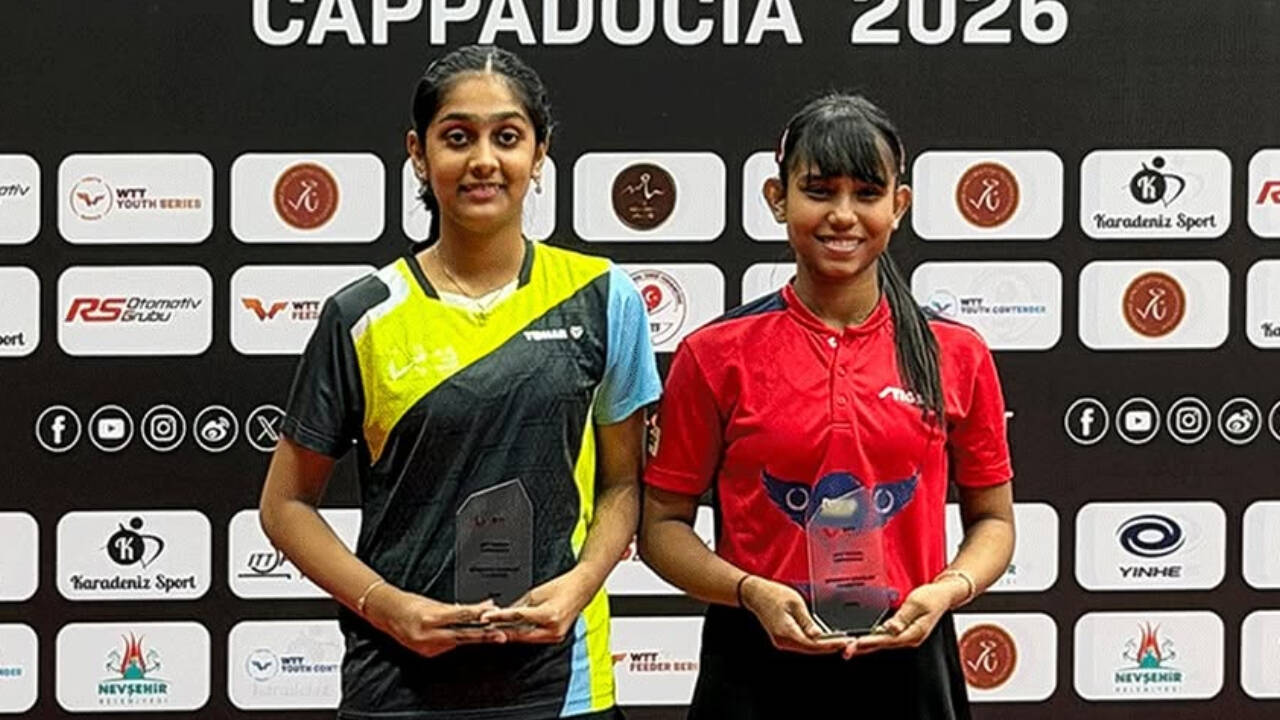
“Because I can already see the next crop coming up. Just the number of players that have increased in terms of participation. I mean, it’s fantastic the number of players who are playing at the under-15 and under-17 level at the WTT levels.“They’re spending from their own side and going and taking part in tournaments. It’s heartening to see that.”And when asked which Indian table tennis players she was most interested in watching at the Games, Sharma returned to Syndrela and the men’s doubles pair.“In table tennis, I am very excited about… One is Syndrela Das. And second is for Manav and Manush to either get us the men’s doubles. Or in the men’s team, to see those wins.”(Watch Asian Games 2026 live and exclusive on Sony Sports Network and Sony LIV)