
5 Common mistakes people make during Gupt Navratri
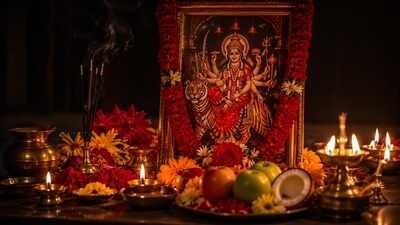
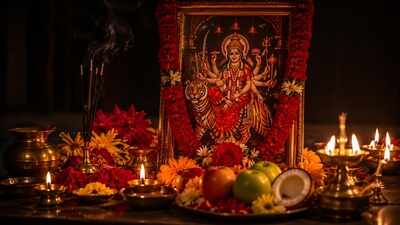
Gupt Navratri may be growing in popularity, but astrologer and spiritual mentor Dr. Jai Madaan says that with the rise in interest has come a rise in confusion. “Every year around this time, I get the same set of questions, and unfortunately, the same set of errors,” she says. “People are enthusiastic, which is wonderful, but enthusiasm without the right understanding sometimes does more harm than good.” Here are five mistakes Dr. Madaan sees most often and how to avoid them. 1. Treating it like a public celebration. The very word “Gupt” means secret. This Navratri, observed in the Ashadha and Magha months, was traditionally kept low-key by tantric practitioners and serious sadhaks, in contrast to the widely celebrated Chaitra and Sharad Navratris. “Turning it into a social media moment defeats the purpose,” Dr. Madaan points out. “The power of this period comes from restraint and privacy, not display.” 2. Attempting advanced tantric sadhana without guidance. Because Gupt Navratri is closely associated with the worship of the Dus Mahavidyas, Dr. Madaan says she frequently encounters people who try to perform elaborate rituals they have picked up from unverified sources online. “Some of these practices genuinely require a guru’s supervision. Doing them incorrectly is not just ineffective, it can be unsettling for the practitioner. When in doubt, stick to simple, well-established remedies.” 3. Skipping the sankalp, or intention-setting. Many people jump straight into rituals without first setting a clear sankalp. “A ritual without intention is just a routine,” she says. “Before lighting a diya or offering flowers, take a moment to be honest with yourself about what you are asking for and why.” 4. Ignoring diet and lifestyle discipline. Gupt Navratri calls for a certain degree of restraint, not necessarily a full fast, but at least mindful eating, avoiding excess and impurity. Dr. Madaan often sees people continue with irregular sleep, heavy food, or short tempers, then wonder why their remedies are not yielding results. “The external puja and the internal state need to move together.” 5. Giving up midway. The nine days are meant to build cumulatively. Starting with enthusiasm and abandoning the practice by day three or four, Dr. Madaan says, is one of the most common patterns she observes. “Consistency, even in a small daily act like lighting a lamp, matters far more than one grand gesture on day one.” Her closing advice is refreshingly practical. “You do not need elaborate rituals to benefit from Gupt Navratri. You need sincerity, a little discipline, and the humility to ask for guidance when something is beyond your understanding.”Inputs by:- Dr. Jai Madaan – Celebrity Spiritual Mentor, Entrepreneur & Motivational Speaker.