2,300-year-old beer, well preserved inside an ancient bronze bottle containing nearly a gallon of liquid with more than 2,400 chemical compounds, was discovered by archaeologists |
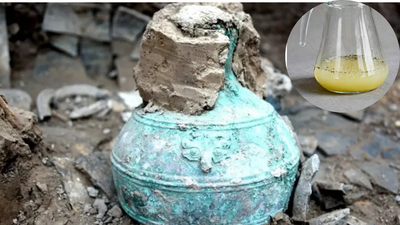
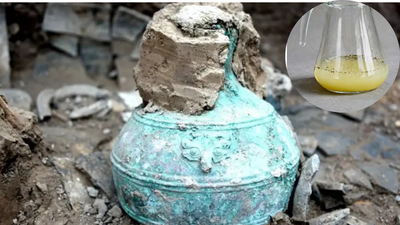
Archaeologists in China have uncovered an extraordinary alcoholic drink that remained remarkably well preserved for more than 2,000 years inside an ancient bronze bottle. The vessel, recovered from a Qin-period tomb at the Shanjiabao cemetery in the Ningxia Hui Autonomous Region, contained about 3.74 litres of pale blue-green liquid, equivalent to nearly a gallon. Scientific analysis detected more than 2,400 organic compounds in the ancient liquid, along with starch grains, phytoliths and yeast remains. The evidence suggests that the drink was a cereal-based alcoholic beverage made from broomcorn millet, with wheat or barley also involved. The discovery offers a rare glimpse into brewing practices during China’s Warring States period.
2,300-year-old beer was found inside an ancient bronze bottle
The remarkable vessel was discovered in Tomb M39 at the Shanjiabao cemetery in the Ningxia Hui Autonomous Region of north-western China. The cemetery contains 183 tombs dating to the Warring States period, which lasted from 475 to 221 BC. The findings were detailed in a study published in the Journal of Archaeological Science: Reports, in which researchers from Northwest University and other institutions examined the vessel and its contents. The tomb was associated with the Qin state, which eventually unified China under Qin rule. The bronze vessel discovered inside it has a distinctive garlic-shaped mouth and is believed to have been used for storing alcoholic beverages. The research team examined the vessel’s construction, contents and burial conditions to understand how the ancient liquid survived for more than two millennia.Researchers found that the bottle had been sealed with textile material on the inside and organic-tempered daub on the outside. According to the study, this unusual sealing arrangement, combined with the relatively dry local environment and burial conditions, may have helped protect the liquid from evaporation and contamination. The discovery is particularly significant because intact ancient alcoholic liquids are extremely rare, with many archaeological finds preserving only dried residues or traces on pottery and other containers.The quantity of liquid found inside the vessel is one of the most remarkable aspects of the discovery. The researchers recovered approximately 3.74 litres, or nearly a gallon, of liquid along with sediment. The study notes that such a large surviving volume provides an unusually valuable sample for investigating ancient alcoholic beverages.The liquid appeared clear and light blue-green and had no noticeable odour when examined. The amount is unusually large for an ancient alcoholic beverage discovery because archaeologists more commonly recover only small residues left on the walls or bottoms of ancient containers.Having several litres of surviving liquid allowed the research team to conduct detailed chemical and microscopic analyses, helping them identify compounds, plant remains and evidence of fermentation. These analyses formed the basis for reconstructing the ingredients and brewing practices associated with the ancient beverage.
The ancient drink contained more than 2,400 compounds
Scientists subjected the liquid to several forms of chemical analysis to determine its composition. Their investigation detected more than 2,400 organic compounds, which were grouped into 24 broad classes.The compounds included amino acids, fatty acids, carbohydrates and other substances associated with fermentation and plant ingredients. Researchers also detected notable quantities of lactic acid and oxalic acid.The chemical profile provided evidence that the liquid was not simply groundwater that had entered the ancient tomb. Instead, it showed characteristics consistent with a fermented alcoholic beverage.
Researchers found clues to its ancient ingredients
Microscopic analysis of the material provided further evidence about what the ancient drink was made from. Researchers identified starch grains associated with broomcorn millet and members of the Triticeae group, which includes wheat and barley.The findings suggest that the beverage was made using cereal grains rather than being a simple fruit-based wine. Yeast remains were also identified, providing evidence that fermentation had occurred. The combination of chemical compounds, plant remains and yeast helped researchers reconstruct aspects of the brewing process used by people in ancient China.Although the discovery has been widely described as 2,300-year-old beer, the scientific evidence supports the more cautious description of a cereal-based alcoholic beverage. The drink would not have resembled a modern lager or other commercially produced beer. Researchers believe it was a non-distilled beverage made from cereals and fermented using ancient Chinese techniques.The study suggests that qu, an ancient fermentation starter made using moulded grains and microorganisms, played a role in the process. Qu was an important component of traditional Chinese alcohol production and could contain a combination of moulds, yeasts and bacteria.
The bronze vessel may have helped preserve the drink
The survival of the liquid for more than 2,000 years raises an obvious question: how did it remain inside the bottle for so long?Researchers believe several factors may have worked together. The relatively dry local environment probably reduced deterioration, while the bronze vessel provided a durable container.The sealing method was also likely important. The textile and organic-tempered daub used to close the vessel may have restricted exposure to the surrounding environment and helped prevent the liquid from evaporating.The researchers have suggested that the preservation was probably the result of the vessel, sealing technique and burial conditions working together. The unusual preservation also means scientists can study the beverage’s original chemical composition in far greater detail than would be possible from a vessel containing only dried residues.
The drink may have had a funerary purpose
The bronze bottle was found inside a tomb, suggesting that the beverage may have been placed there for a funerary or ritual purpose.Alcohol played an important role in ancient Chinese society and was used in ceremonies, feasts and offerings. Placing an alcoholic drink inside a tomb could therefore have had symbolic significance.However, researchers cannot say with certainty why this particular beverage was buried with the deceased. The idea that it was intended specifically for the person’s enjoyment in the afterlife remains an interpretation rather than a proven fact.
The discovery reveals ancient brewing practices
The finding provides researchers with rare physical evidence of brewing technology during the Warring States period.The presence of broomcorn millet together with possible wheat or barley shows that ancient brewers could use different cereal ingredients in alcoholic beverage production. The chemical evidence and fermentation remains also demonstrate that these drinks involved complex biological and chemical processes.The researchers say discoveries such as this provide valuable archaeological evidence for increasingly specialised brewing practices during the late Zhou and Qin periods.
China had an ancient tradition of alcohol production
The 2,300-year-old beverage is remarkable, but it is not the oldest evidence of alcohol in China. Archaeologists have found evidence of fermented drinks dating back thousands of years earlier. Research from Neolithic sites has identified evidence associated with early rice and millet-based alcoholic beverages. Some discoveries indicate that ancient communities were experimenting with fermentation long before the Warring States period. The Shanjiabao discovery is particularly valuable because of the large quantity and exceptional preservation of the surviving liquid. Rather than studying only chemical traces left behind in a vessel, researchers were able to analyse several litres of ancient fermented material. The discovery therefore offers an unusually detailed glimpse into what people in ancient China were brewing and how they produced alcoholic drinks more than two millennia ago.