A 14-year experiment in the cold deserts of northern India’s Trans-Himalayan ecosystem has found that replacing native grazers with livestock changes the abundance of ground-dwelling arthropods. Researchers analysed 25,604 arthropods collected using pitfall traps over 2,765 trap-days during spring, summer and autumn.The study examined how different grazing regimes affected these small animals and found clear differences between areas grazed by livestock and those used by native herbivores. According to research published in Ecological Applications titled, ‘Replacing native grazers with livestock influences arthropods to have implications for ecosystem functions and disease’, spiders were less abundant under livestock grazing, while grasshoppers, ticks and mites were more abundant.
A 14-year experiment examined the effects of livestock grazing
The researchers used a replicated, landscape-level grazer-exclusion experiment that ran for 14 years in the Trans-Himalayan cold deserts of northern India. They focused on ground-dwelling arthropods and compared responses to changes in grazing regimes, including situations where livestock replaced native grazers. The team assessed spatial and temporal variation in the abundance of the animals.Sampling took place across the growing season, covering spring, summer and autumn. Pitfall traps were used to collect the specimens, with the study recording 2,765 trap-days. In total, the researchers analysed 25,604 arthropods. The sampling approach allowed them to examine patterns across the landscape and through time, rather than relying on a single collection period.
PC: Wikipedia
Grazer identity and environmental factors shaped arthropod communities
The 25,604 specimens belonged to 88 operational taxonomic units, covering six orders and 33 families. The groups included ants, wasps, bees, ticks and mites, spiders, grasshoppers and beetles. The researchers found that the composition of the grazer assemblage, whether livestock or native herbivores, had a strong influence on vegetation and arthropods.Their partial redundancy analysis showed that grazing and grazer identity, alongside variation in vegetation composition and soil variables, explained 53.6% of the spatial and temporal variation in arthropod communities.The analysis linked the differences in arthropod communities to grazing conditions and the environmental characteristics measured in the study. The findings showed that grazer identity mattered alongside grazing itself.
Spiders, grasshoppers and ticks responded differently to grazer identity
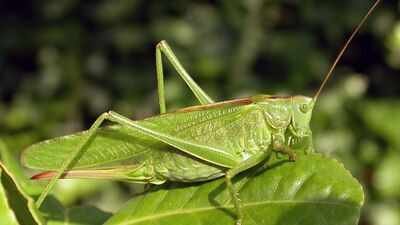
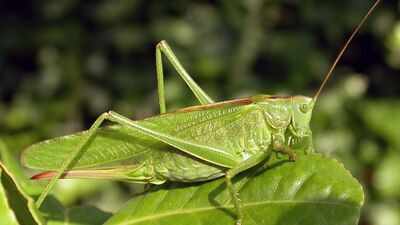
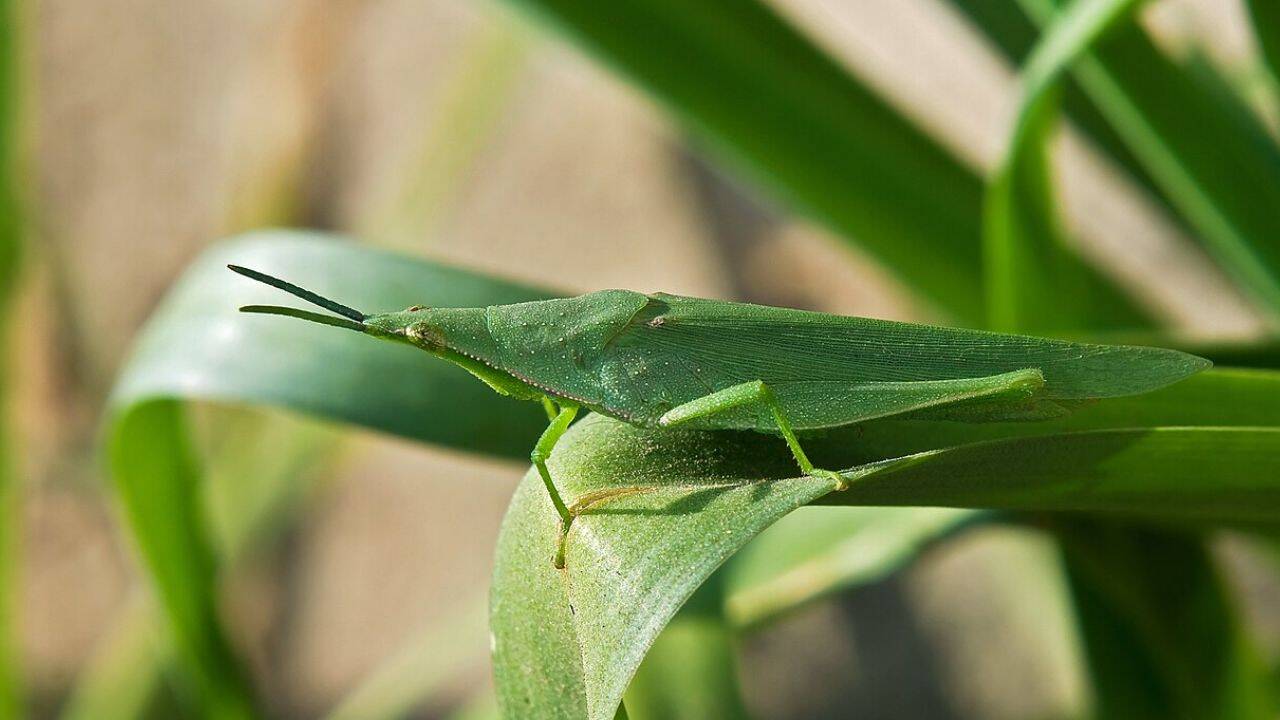
The study found contrasting responses among different arthropod groups. Spiders, which are predators, were less abundant in areas grazed by livestock than in areas grazed by native herbivores. Grasshoppers, described as leaf eaters, were more abundant under livestock grazing. Ticks and mites, identified by the researchers as parasitic disease vectors, also showed higher abundance under livestock than under native grazers.The reduction in spiders could fundamentally alter the flow of material and energy through cascading effects caused by the loss of predators as per the researchers. They also noted that greater grasshopper abundance may contribute to vegetation degradation often associated with livestock. The results showed that different groups responded differently to the same grazing change.
How does replacing native grazers with livestock affect ecosystem health
The researchers said the increase in ticks and mites raised concerns about vector-borne disease and pointed to the need for planned interventions that align animal husbandry with One Health. They concluded that the loss of native grazers as livestock expand can have wide-ranging effects through changes in arthropods.These effects may influence ecosystem structure and functions, while also creating challenges and opportunities for reducing risks from vector-borne disease. The study examined the consequences of replacing native grazers with livestock in one Trans-Himalayan ecosystem, and its findings centred on ground-dwelling arthropods.