SpaceX Falcon 9 successfully launches Transporter-16 mission from Vandenberg |
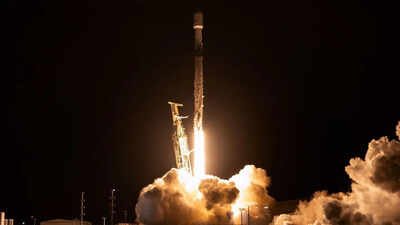
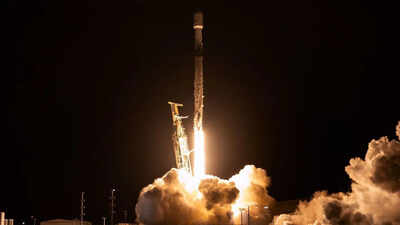
On March 30, SpaceX conducted a successful launch of its Transporter 16 mission from Vandenberg Space Force Base, marking the 21st launch from Vandenberg SFB in 2026, demonstrating again how dominant they are in the commercial space industry. According to Vandenberg Space Force Base, Falcon 9 launched from Space Launch Complex 4 East (SLC-4E), and multiple microsatellites and cubesats were deployed into Sun-Synchronous Orbit on this dedicated rideshare mission. These satellites represent many international startups, research institutions, and government agencies that are using this mission as an affordable way to send their products into orbit.The Falcon 9 first-stage booster performed a successful RTLS (Return-to-Launch-Site) landing at Landing Zone 4 shortly after completing its primary mission. This marks another successful recovery of a reusable booster by SpaceX.
SpaceX Transporter-16 mission launches 119 satellites into orbit
According to SpaceX, the Transporter-16 mission was launched aboard a Falcon 9 rocket, delivering 119 payloads (large and small) into Sun-Synchronous orbit (SSO). Based on official ride-share launch integration information from SpaceX, the commercial and institutional payloads deployed included over 20 countries with a wide variety of CubeSats and microsats of various standardised form factors.The rideshare model also creates an opportunity for smaller research institutions to share costs associated with launching on a single rocket. This shared rocket cost significantly decreases the barriers experienced by various research institutions when attempting to launch to space.
The role of Transporter-16 in the World Magnetic Model
One of the government payloads of great importance was for the NGA’s MagQuest project. The National Geospatial-Intelligence Agency (NGA) developed this project as a platform that utilises three different CubeSats to test the magnetic fields of the Earth. The information measured by these CubeSats is used for maintaining the World Magnetic Model (WMM), the system that provides accurate global navigation for GPS-enabled devices and commercial and ocean-going vessels.
SpaceX Falcon 9 deploys the UK’s Quantum Communication satellite
The mission is the first in deploying the Space-based PhOtonics for Quantum Communication (SPOQC) satellite. The SPOQC satellite is a ‘12U CubeSat’ that will serve as a demonstrator for an ‘unhackable’ method of transmitting quantum-encrypted photons from space via orbiting satellites to grounded stations. This is the first step in developing a robust, worldwide quantum secure internet capable of protecting against future cyber threats.
How the SpaceX Falcon 9 lands at Vandenberg’s LZ-4
According to the Vandenberg Space Force Base, the Falcon 9 launched from Space Launch Complex 4 East (SLC-4E). The booster of the Falcon 9 launch vehicle (1st stage) successfully executed its Return to Launch Site (RTLS) landing at Landing Zone 4 (LZ-4) after separation from the 2nd stage of the launch vehicle. The RTLS landing of the 1st stage booster is unique to Vandenberg SFB missions and typically results in an audible sonic boom along the entire coastline of Central California from deceleration through the atmosphere of the booster.