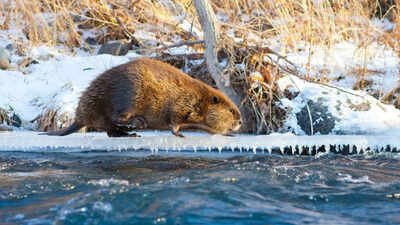
Arctic: Climate change is making Beavers expand into Canada’s Arctic, where their dams are changing the landscape

North American beavers began colonising parts of Arctic in 2008. (Getty images) Beavers who are normally found in forests and woodlands, are steadily moving farther north into the Canadian Arctic. A new study has found out when they reached different parts of the Arctic by studying scars on shrubs and comparing them with satellite images…


Read More

Moon is drifting away from Earth at 3.8 centimetres a year. What will happen to the planet as it goes further? |

Over the next several hundred million years, Earth could face numerous unexpected consequences, all due to the distance slowly yet steadily developing between the planet and its only moon. In what is coming to be defined as one of the most precisely known physical quantities in all of contemporary planetary science, the Moon is moving…

Read More

Quote of the day by Marie Curie: “I was taught that the way of progress was…” – why real progress is never as fast as we expect |

Two people can start the same ambitious project and expect completely different timelines for it to pay off. One assumes real progress should be visible within weeks, gets discouraged when it isn’t, and quietly abandons the work. The other accepts from the outset that meaningful results might take years, and keeps going long after the…

Read More

Gunaikurnai Rituals: Grass burned for magic, healing and cursing: 25,000-year-old cave discovery reveals ancient Australian rituals

For 25,000 years, the GunaiKurnai (an Australian Aboriginal nation) people carried grass into Cloggs Cave and burned it. Archaeologists have finally found physical evidence that proves the ritual existed. These people burned the grass as part of rituals tied to magic, healing and the spiritual realm. Researchers unearthed layers of ash rich in phytoliths, microscopic…

Read More

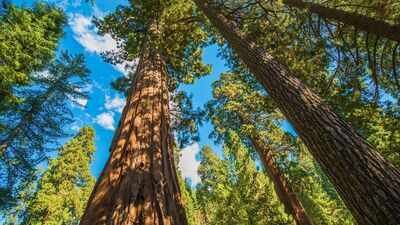
They can survive for 3000 years yet 1 in 5 of giant sequoias were destroyed in California fires; a NASA-funded study says controlled burns could dramatically improve their survival

Giant sequoias (Image Credit: Canva) California’s giant sequoias have stood tall for thousands of years, surviving droughts, storms and countless natural fires. Yet, in just two wildfire seasons, these ancient giants suffered unprecedented losses. Between 2020 and 2021, record-breaking wildfires are estimated to have killed nearly 17% of the world’s mature giant sequoias, roughly one…

Read More

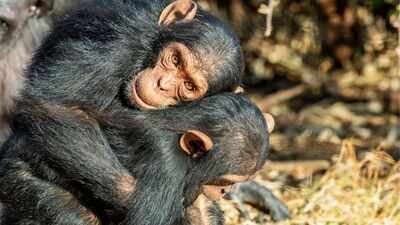
Chimpanzees and bonobos hug before meals to avoid fights and distribute food fairly, scientists discover |

Image Credit: Jake Brooker / Chimfunshi Wildlife Orphanage Trust Our closest animal relatives, bonobos and chimpanzees, share a quick hug or a pat on the back before having their meal, to keep the tensions from rising and maintain peace among them, as their hunger could create conflict within the group. For years, scientists believed these…

Read More

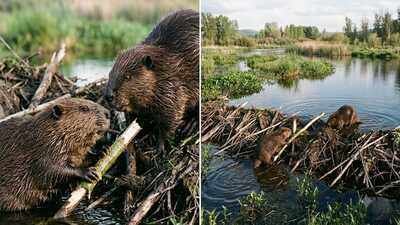
Beavers do far more than build dams: These 20-kilogram rodents create wetlands, raise groundwater and lock away carbon |

Beavers may weigh only around 20 kilograms, but their engineering skills can reshape entire landscapes. Using little more than their powerful teeth, branches, stones and mud, these rodents build dams that slow rivers, create wetlands and transform dry valleys into thriving ecosystems. While these structures are best known for forming ponds, scientists have discovered they…

Read More

24-million-year-old Kevda fossil leaves discovered in Assam reveal ancient tropical forests of India |

pc: Study: Fossil leaves of Pandanaceae from India suggest Paleogene persistence of the family in South Asia For most people, Kevda is recognised by its unmistakable fragrance. Its flowers are distilled into the aromatic essence used in sweets, perfumes, religious offerings and traditional remedies across India. Yet the plant has quietly carried a far older…

Read More