
Open, check, store: What changes once a packaged food is opened | India News
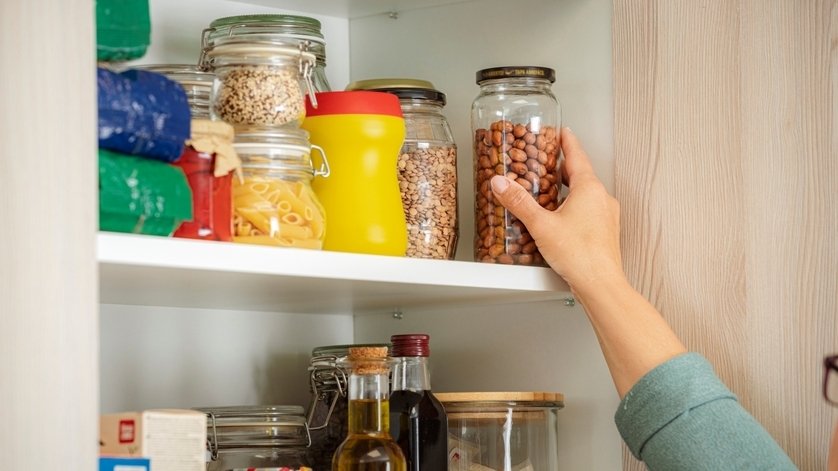
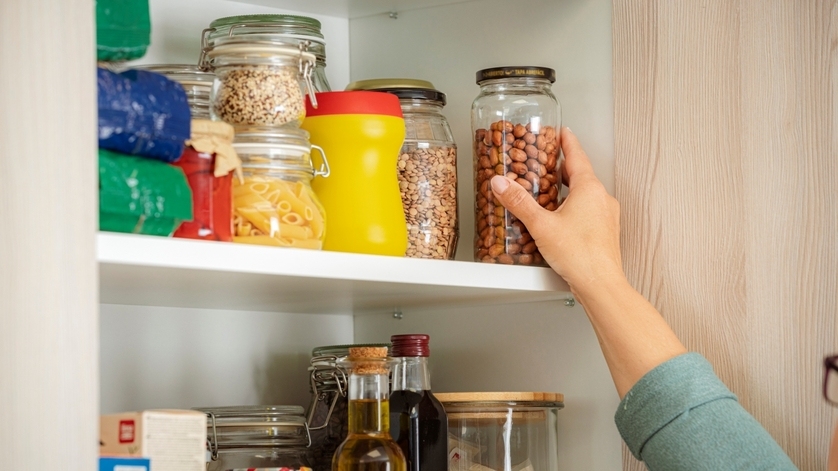
That satisfying pop of a jar lid, the snap of a foil seal, or the smooth peel of a fresh film, we’ve all experienced it. It’s that reassuring moment that says, “This food is fresh, untouched, and safe.”But here’s the catch: the moment you break that seal, the safety bubble vanishes. While modern food packaging uses clever barrier technology and vacuum sealing to keep food pristine on store shelves, it isn’t bulletproof once opened. Opening a package starts the countdown, shifting the responsibility of keeping food safe straight into your hands.
What the numbers tell us about food safety at home
Improper post-opening handling isn’t just a minor oversight. It’s a major driver of global food waste and foodborne illness:
- 60% of global food waste happens at home: According to the UN Environment Programme (UNEP) Food Waste Index Report [1] , households account for over 60% of all food wasted worldwide, equivalent to over 600 million tonnes of food per year. Misinterpreting date labels and letting opened food spoil prematurely are two primary drivers.
- 1 in 10 people fall ill annually: Estimates from the World Health Organization (WHO) [2] highlight that roughly 1 in 10 people worldwide fall ill every year from consuming contaminated food. A common contributor in domestic kitchens is improper temperature control and cross-contamination after packages are unsealed.
- The ‘best before’ confusion: Data from the U.S. Department of Agriculture (USDA) shows that 30% to 40% of the food supply is lost or wasted [3] . A significant portion stems from consumer confusion surrounding unopened “Best Before” dates versus actual post-opening shelf life.
What happens when you break the seal?
Inside an unopened package, food lives in a controlled environment. Once the package is opened, that protection is broken, and three key changes can begin to occur:
- Air enters (oxidation): Oxygen in the air reacts with fats, oil and certain vitamins. Overtime, this can cause food to become rancid, colours to fade and flavours lose their punch.
- Moisture changes: Dry foods, such as chips or cookies, can absorb moisture from the air and lose their crispness. Other foods may lose moisture and gradually become dry or stale.
- Microorganisms are introduced: Mold spores, yeasts, and bacteria naturally present in the environment can come into contact with the food. Given the right conditions, these microorganisms may grow and contribute to spoilage.
The simple open-check-store checklist
Keeping food fresh after opening doesn’t require complex science. It only requires just a few quick habits:
| Step | Action | The goal |
| 1. Check the label | Look beyond the ‘Best Before’ date for instructions, such as“Refrigerate after opening and consume within 3 days.” Once opened, follow the manufacturer’s guidance, as expiration dates generally apply to unopened products. | Ensures the produce is stored and consumed as intended. |
| 2. Seal it tight | Transfer opened foods to airtight glass or BPA-free containers or reseal the packaging using bag clips or other closures. | Helps maintain freshness and protects against moisture and contaminants. |
| 3. Chill fast | Refrigerate perishable foods promptly after opening, ideally (below 4°C) promptly. | Slows bacterial growth and helps preserve quality and safety. |
| 4. Serve clean | Always use dry, clean spoons, forks or scoops. Avoid handling food directly with hands or using utensils that have already been used. | Reduces the risk of cross-contamination. |
Quick hacks for common kitchen staples
- Sauces & dips: Some condiments, such as ketchup, can remain shelf-stable until opened, but mayonnaise, pesto, and cream-based dressings belong in the fridge the second they are opened. Always check the label for storage instructions.
- Canned goods: Have leftover tomatoes, beans or other canned foods? Never leave them in an open metal can in the fridge. Transfer them into a clean glass or food-grade plastic container before refrigerating. This helps preserve quality and prevents unwanted flavour changes.
- Dairy & milk: Store opened milk and dairy products on the inner shelf of the refrigerator where temperatures are more consistent. Avoid storing them on the door shelves which experience greater temperature fluctuation.
- Grains & spices: Store spices, flour, rice and cereals into sealed glass jars to keep pantry pests and humidity away.
Packaging helps keep food safe and fresh until it reaches your kitchen, but proper handling after opening is just as important. Paying attention to storage instructions, resealing products carefully and maintaining good kitchen hygiene, ensures every bite stays as fresh and safe as it should.References Disclaimer – The above content is non-editorial, and TIL hereby disclaims any and all warranties, expressed or implied, relating to it, and does not guarantee, vouch for or necessarily endorse any of the content.