Full Moon Rituals: 5 Things to Do Tonight to Release Negative Energy and Welcome a Fresh Start
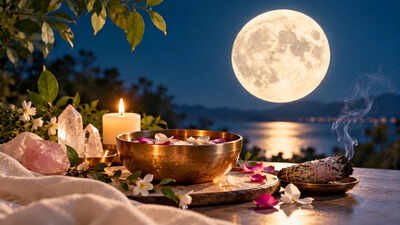
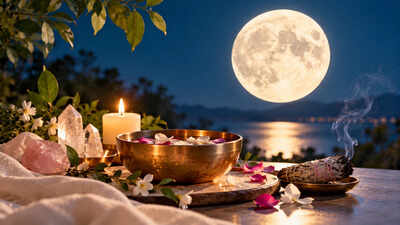
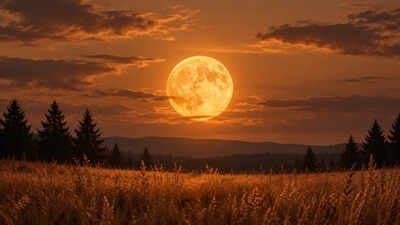
The Full Moon peaked this morning, but tonight it will still rise round and bright. People in different corners of the world will mark it in their own ways. In one home, a family sits for a katha with a plate of prasad. In a monastery far away, someone keeps silence all day. Somewhere else, a person writes a list of old fears on scrap paper and tears it up. Different customs. Same instinct. When the Moon is full, it feels right to stop, say thank you and put something down.
Why Full Moons Feel Like a Pause
Think of the lunar month as a breath. For two weeks the Moon grows. That’s the inhale. From tonight, it starts shrinking. That’s the exhale.Plenty of traditions follow that rhythm. Build while the Moon waxes. Reflect and release while it wanes.Vedic astrology adds a reason. The Moon rules the mind. At full, emotions run high. So it’s a better night for calming practices than for making big promises.
Two Practices From Indian Homes
Purnima fasting and the Satyanarayan Katha. On full moon days, many Hindu families fast. Some stick to fruit and milk. Others simply skip grains until moonrise.The Satyanarayan Katha often goes with it. Relatives gather. Someone reads the story of Vishnu as Satyanarayan. Sheera or panchamrit gets passed around afterwards. The story’s heart is simple: keep your word and be grateful for what you’ve received. That fits a full moon well.Offering water to the Moon. This one takes two minutes. Stand facing the Moon with a small lota of water. Some people add a little milk or a few grains of rice. Pour slowly. Say a short prayer for a steady mind.You’ll see the same gesture on Karwa Chauth, which falls on October 28 this year, when women offer arghya before breaking their fast. But anyone can do it on any full moon night.
Three Practices From Elsewhere
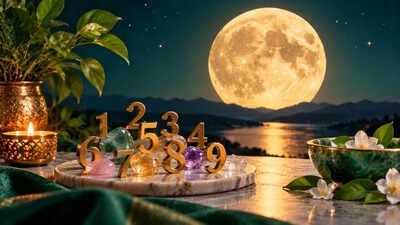
Uposatha days. In Theravada Buddhist countries such as Sri Lanka and Thailand, full moon days are special. People visit temples and listen to teachings. Many take on extra precepts for the day. One common rule is eating nothing after noon.Sri Lanka goes further. Every full moon, called Poya, is a public holiday. The whole country gets a day to slow down.Write it, then let it go. This one is popular in modern spiritual circles. Sit somewhere quiet. Write down what you’re done carrying. A worry. A resentment. A habit that eats your evenings.Then do something physical with the page. Tear it into small pieces. Or burn it carefully in a steel bowl and scatter the ash in the garden. It sounds small. But turning a thought into an action often makes the decision stick.Moonlight and moon water. Sometimes the simplest ritual is just sitting outside. Fifteen minutes under the full moon. No phone. Slow breaths. Watch the light on the rooftops.Some people also leave a clean, covered jar of water outside overnight. In modern spiritual practice it’s called moon water. Later, you can use it to water plants or freshen a room, and some drink it. The idea is to carry the night’s calm into the next few days.
A Few Sensible Cautions
None of this needs to be elaborate. One diya. A quiet corner. An honest intention.Still, take care. Burn paper only in something fireproof, with water close by. If you have a health condition, keep any fast light, and check with a doctor if unsure. And if you plan to drink moon water, use a clean jar with a lid.