Europe’s plant diversity fell after the Black Death as farmland was abandoned; analysis of 109 fossil pollen records shows it recovered as cultivation returned |
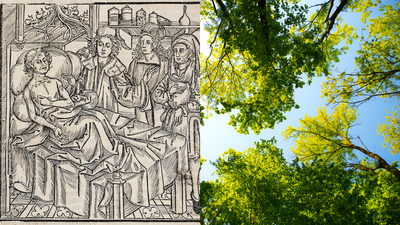
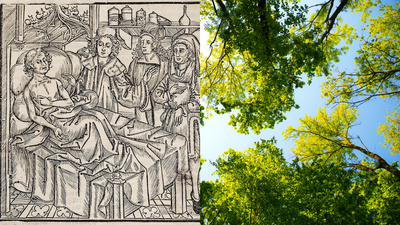
Famine and disease during the Black Death era killed one third of Europe’s population within half a decade. In many places, people abandoned farmland, and rural routines that had shaped the landscape for centuries were interrupted. A new analysis of 109 European fossil pollen records shows what that retreat from cultivation meant for plant life. The findings challenge the belief that human impact on nature is overwhelmingly negative. Plant diversity fell sharply where cereal farming declined, then recovered as societies rebuilt. Here is what the evidence reveals and why it matters for how Europe manages and protects its farmed countryside.
How researchers used 109 fossil pollen records to reconstruct medieval plant diversity across Europe
The study, ‘Black Death Land Abandonment Drove European Diversity Losses’, published in Ecology Letters, drew on 109 standardised fossil pollen records from across Europe, together containing 4,616 samples spanning the Common Era. Fossil pollen records show which plants grew in a landscape, so changes in the mix of grains reveal how vegetation shifted over time. To keep comparisons fair, the researchers adjusted the counts for differences in how much pollen different plants produce, then repeatedly resampled 150 grains from each sample, repeating the process 1,000 times to account for uncertainty in dating. They measured richness, meaning the number of pollen types, evenness, meaning how evenly grains are spread among types, and turnover, meaning how much the mix changed between successive samples. Cereal pollen served as a marker of arable farming.
Why plant diversity fell sharply during the Black Death era as cereal farming and farmland retreated
Across Europe, richness and evenness rose with farming until about 1300, then dropped rapidly during the fourteenth century, falling to roughly the levels recorded 1,000 years earlier. The decline bottomed out around 1450, and both measures climbed back to their late thirteenth-century peak by about 1650. The pattern followed cereal farming. In 32 records, cereal pollen declined over the fourteenth century, and those landscapes lost plant diversity. In 62 records, cereal farming continued or increased, and diversity kept rising. A further 15 showed no cereal farming and had lower diversity than the other two groups before 1300. The researchers describe this as a natural experiment, the abandonment of cultivated land associated with the Great Famine and the Black Death offered a test of what happens to plant diversity when farming retreats.
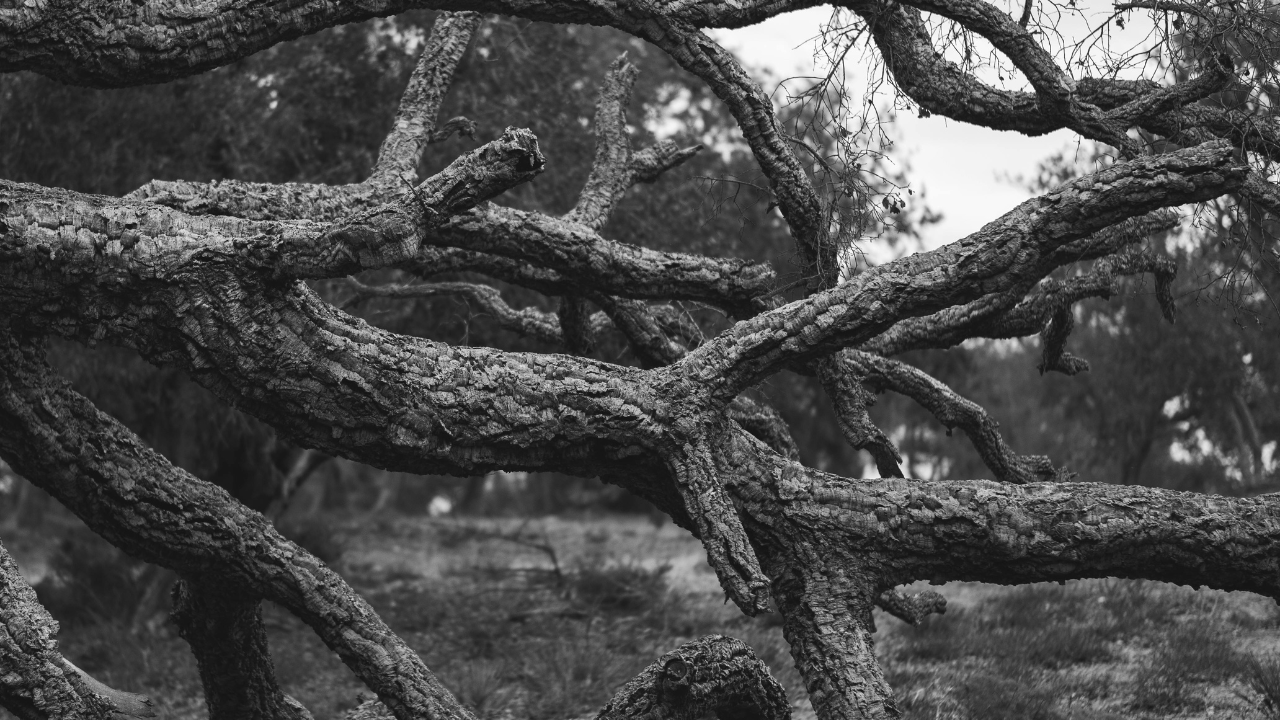
Such areas are now at risk of abandonment (Image: Canva)
How patchwork landscapes with roughly 40 per cent tree cover maintained the greatest plant diversity
Diversity did not simply track openness or woodland. Plant richness peaked at around 40% tree cover, in human-shaped patchwork landscapes where cultivated fields sat alongside woods, heath and uncultivated plots. Landscapes that shifted towards that balance gained diversity over the fourteenth century, while those that moved towards either extreme lost it. In very open areas with less than 30% tree cover, such as records from northern Germany, northern France and western Spain, woodland regrowth increased habitat variety and richness. In Bohemia, farming expanded as a forest-based economy gave way to an agricultural one, and diversity rose. The researchers concluded that responses depended on whether land use moved a landscape closer to, or further from, that intermediate state of tree cover.
What the Black Death research means for traditional farming, rewilding and biodiversity conservation
The authors argue the findings support traditional, low-intensity farming as a way to protect biodiversity. Landscapes that escaped intensification in the late eighteenth to twentieth centuries include many of Europe’s most biodiverse places, including Iberian dehesas and montados, Alpine pastures, Baltic wood pastures and Nordic Alvar pastures. The Ecology Letters paper warns that such areas are now at risk of abandonment, which can bring shrub encroachment and a greater risk of wildfires. Governments and others already subsidise farmers to keep traditional management going, including reintroducing extensive grazing. The researchers suggest traditional agriculture may suit regions where strict protection and rewilding using large animals are not feasible or desirable. They also note that the effects of abandonment varied by location, so outcomes depend on a landscape’s starting condition.