Australia releases nearly 50 critically endangered smoky mice into a predator-free forest where the species had not been seen since the 1990s |
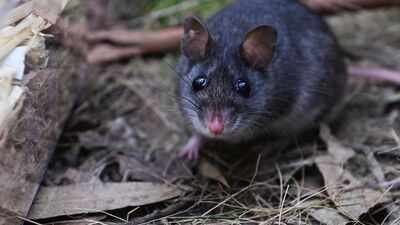
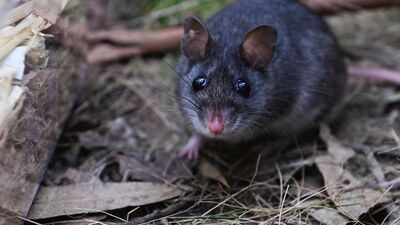
Australia has brought the critically endangered smoky mouse back to a forest area in New South Wales where it had not been seen since the 1990s. Nearly 50 individuals were released into the Nungatta Feral Predator-Free Area in South East Forest National Park. The reintroduction marks the first return of a threatened species to the protected area, which was established to keep feral cats and foxes out.According to the NSW Government, the release took place as part of a wider effort to restore the area’s ecosystem and bring back locally extinct mammals. The project aims to reintroduce up to nine species that once lived in the region, helping restore the forest’s native mammal community.
Nearly 50 smoky mice return to South East Forest National Park
The smoky mouse is the first threatened species to be reintroduced into the Nungatta Feral Predator-Free Area. Almost 50 individuals have been released, with up to 120 planned for release each year. The area lies within South East Forest National Park in New South Wales and has not recorded the species since the 1990s.The reintroduction is part of a broader project to restore the region’s native mammal community. The long-footed potoroo, eastern bettong, eastern quoll and New Holland mouse are among the other species identified for return. The project aims to bring back the pre-European community of mammals and restore ecosystem health. It is also intended to make the national park an important place for biodiversity restoration and future visitors.
What threatens the survival of Australia’s smoky mouse
The smoky mouse is a small native rodent listed as critically endangered in New South Wales. It is about two to three times the size of the introduced house mouse. The species was first recorded in New South Wales in 1993 near Mount Poole, in Nungatta State Forest. Smoky mice survive in Kosciuszko National Park, while a small number are still recorded in the Nullica area of South East Forest National Park.The species is also present at a small number of sites in western and eastern Victoria, although it has not been seen in southern Victoria for a long time. Its numbers have declined significantly because of predation by feral cats and foxes, habitat loss, inappropriate fire regimes and the introduced root rot fungus Phytophthora cinnamomi.
The role of predator-free areas in restoring native wildlife
The Nungatta Feral Predator-Free Area was established by the NSW National Parks and Wildlife Service as part of a network of 10 areas designed to exclude feral cats and foxes. Once all the sites are established, almost 65,000 hectares of national park estate will be free of feral predators. The network forms an essential part of the state’s threatened species strategy and its commitment to zero extinctions in NSW national parks.Removing these predators is intended to support the survival of threatened native mammals. The smoky mice released at Nungatta come from a captive breeding programme that began in 2016 with support from the NSW Government’s Saving our Species programme. Their return marks the first stage of the wider restoration effort planned for the area.
More threatened mammals were planned for reintroduction into the forest
The smoky mouse reintroduction is a collaboration between the NSW National Parks and Wildlife Service, the NSW Government’s Saving our Species programme, the National Threatened Species Institute and the University of Canberra. David Kelly, Manager Threatened Species at the NSW National Parks and Wildlife Service, described Nungatta as the first feral cat and fox-free area in the tall forests of South East Forest National Park. He said the return of the smoky mouse was the first step in a major ecosystem restoration project. The NSW Government also planned to reintroduce the eastern quoll, long-footed potoroo, eastern bettong and other species as part of the wider ecosystem restoration project. Kelly said these animals play critical roles in the ecosystem and expressed hope that the completed reintroductions would make the national park an even better place to visit.