Why October Is Called a Month of Endings and New Beginnings in Astrology — And What It Means for You
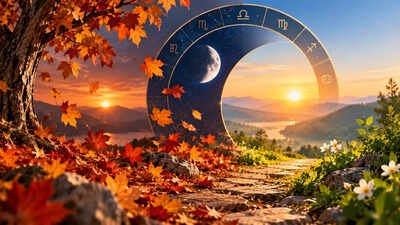
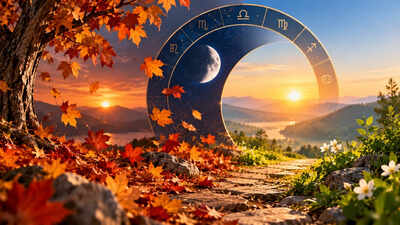
October has a strange double mood. Leaves fall, evenings grow shorter, and many people feel a pull to clear out old things. Yet the same month is packed with festivals, shopping and fresh plans. Astrology and the Indian calendar both reflect this mix. In October, one phase closes and another begins, often within a single week.
The Zodiac Hands Over From Libra to Scorpio
For most of October, the Sun moves through Libra. Libra is about balance, weighing choices and keeping relationships fair. It’s a sign that thinks before it acts.Then, around October 23, the Sun enters Scorpio. The tone shifts sharply. Scorpio is the eighth sign of the zodiac and is linked with the eighth house, which governs death, rebirth and shared resources. In astrology, “death” rarely means a literal ending. It refers to habits, relationships or identities that have run their course.So October carries a built-in turning point. The first three weeks ask what is fair and worth keeping. The last week, under Scorpio, asks what needs to go. Many people notice that decisions postponed all month suddenly feel urgent near the end of October.
The Indian Calendar Moves From Ancestors to the Goddess
The Hindu calendar mirrors this shift clearly in 2026. Pitru Paksha, the fortnight of remembering ancestors, ran from late September and ended on October 10 with Mahalaya Amavasya. During this period, families offer tarpan and food in memory of those who have passed. New ventures are traditionally avoided.The very next day, October 11, Sharad Navratri began. Nine nights of worship of Goddess Durga follow, ending on October 19. Dussehra, on October 20, celebrates the triumph of good over evil.The sequence is telling. First comes honouring what has ended. Then comes the energy of renewal and protection. Many families wait for Navratri to buy a vehicle or book a new home, because the ancestor period has closed and the goddess’s period has opened.Karwa Chauth follows on October 28, and Diwali arrives on November 8. Festivals land later than usual this year because 2026 includes an extra lunar month, known as Adhik Maas.
The Sun’s Weak Phase and the Value of Letting Go
In Vedic astrology, the Sun enters sidereal Libra, or Tula, around October 17. This marks Tula Sankranti. Libra is the sign where the Sun is debilitated, meaning it is at its weakest.That weak Sun has a practical meaning. Ego and authority take a back seat. People may feel less sure of themselves, or find that pushing hard at work brings little reward. But this phase favours humility, cooperation and looking inward. It’s a good time to accept advice that would have been brushed aside in summer.Seasonal change adds to the theme. In the northern hemisphere, the days keep shortening through October. Older European traditions marked Samhain at the end of the month, when the harvest ended and the darker half of the year began. Halloween grew out of that festival.
October 2026’s Planetary Weather
This October adds its own layer of change. Pluto, the planet of deep transformation, turned direct in Aquarius on October 15, after months of backward motion. Venus is retrograde through Scorpio and Libra until mid-November. Mercury begins its retrograde on October 24, the day after the Sun moves into Scorpio.Taken together, these transits make October 2026 a month for review. Old commitments come up for a second look. Some will be renewed with clearer terms. Others will quietly end.Practical habits fit this energy well. Clearing a cluttered storeroom before Diwali, settling a long-pending loan with a relative or finally closing an unused bank account all match the month’s spirit. The new beginnings tend to arrive more easily once there is room for them.