Scientists develop a DNA test for one of America’s elusive snakes; eastern pine snake can now be detected without finding the animal |
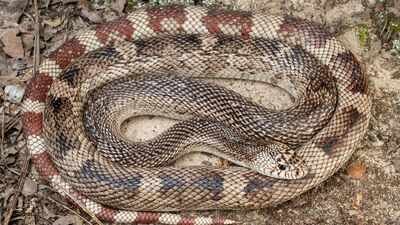
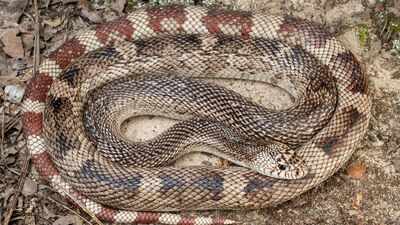
Scientists have developed a DNA-based test that can detect the eastern pine snake from soil, offering a way to find evidence of the elusive reptile without having to spot the animal itself. The study, published in Frontiers in Amphibian and Reptile Science, describes a new environmental DNA assay designed specifically for Pituophis melanoleucus. The method was tested against DNA from other reptiles and on soil collected from known eastern pine snake habitat in South Carolina, where the snake can be difficult to locate through traditional surveys.
How can a DNA test find an eastern pine snake without direct contact
The new method works by looking for tiny traces of genetic material that an animal leaves behind in its surroundings. According to the Frontiers study, environmental DNA, or eDNA, can come from material such as shed skin, saliva, faeces and blood. Instead of needing to see or capture a snake, researchers can collect environmental material and test it for DNA belonging to the target species.This approach is particularly useful for eastern pine snakes because they are described in the study as secretive and semi-fossorial, meaning they spend much of their time below ground. The researchers note that such behaviour can make camera traps, box traps, coverboards and visual searches less reliable because the snakes may spend relatively little time where people can observe them.The study also notes that the eastern pine snake is associated with open-canopy, sandy woodland habitats in the eastern United States. Its population status remains poorly resolved, while the researchers say populations are likely declining in many parts of its range because of habitat loss and changes to natural seasonal fire regimes. In South Carolina, the species is listed as being of highest conservation concern.
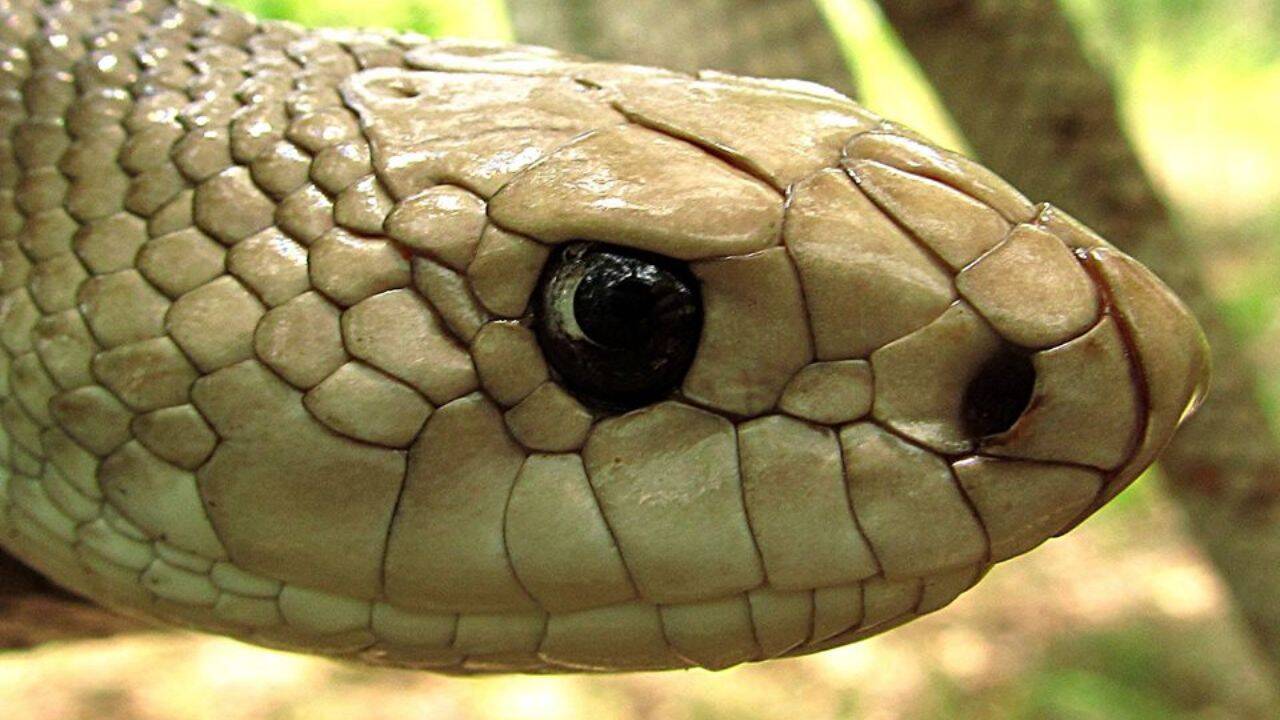
Florida pine snake, close-up of the head. Image Credit: Wikipedia
The researchers created a snake-specific DNA marker
For the new test, researchers developed two primers, named PitmelF and PitRev. These were designed to target part of the eastern pine snake mitochondrial ND4 gene.As reported in the study, the researchers compared about 700 nucleotides of the ND4 gene from 56 reptile samples representing 13 snake species or subspecies. This comparison helped them identify DNA differences that could be used to distinguish the eastern pine snake from other reptiles.The resulting assay was tested using both quantitative PCR and conventional end-point PCR. These lab methods copy a selected section of DNA so that researchers can determine whether the genetic material they are looking for is present.The researchers tested the primers against DNA from four eastern pine snakes as well as several other snakes and an eastern glass lizard. The study reports that the primer pair produced amplification only from eastern pine snake DNA under the specified test conditions. This included testing against the bull snake, a closely related species that could otherwise make identification more difficult.
What happened when the test was used on soil
The researchers then moved beyond lab samples and tested environmental material collected from the field. According to the study, they collected 30 to 50 grams of soil from each of 27 sites within a small South Carolina preserve. The precise location was concealed to protect the snakes and their habitat.The samples were collected between June and August 2023 from places such as entrances to root cavities, stump holes and similar refuges that could be used by eastern pine snakes. The sites were within areas where the species was already known to occur from an earlier radiotelemetry study.The new assay produced a confirmed positive result from one field sample, labelled A24. Two other samples, A38 and A48, were classified as putatively positive because only 1 of 3 initial technical replicates produced a signal. The study distinguishes these weaker results from the confirmed detection rather than treating every signal as definite evidence.
The soil itself creates a challenge
Finding snake DNA in soil is not as straightforward as detecting it in a controlled lab sample. The researchers found that the assay worked effectively, but they also identified conditions that could interfere with DNA detection.The study explains that compounds naturally present in soil, including humic, fulvic and tannic acids produced by decomposing plant material, can interfere with the DNA amplification process. The South Carolina soils used in the research were rich in organic matter and acidic, and the samples were collected during summer, when humidity was relatively high.The amount of time a snake spends in contact with a particular patch of soil can also affect the amount of DNA left behind. DNA may become harder to detect as it breaks down over time, meaning a negative sample does not necessarily prove that a snake has never been in the area.Another limitation comes from the amount of soil that can actually be processed. The researchers collected much larger soil samples in the field but used smaller portions for DNA extraction. They say this sampling process could contribute to false negatives if the portion tested happens not to contain enough snake DNA.The researchers describe that the main advantage of this method is that it can provide evidence of an eastern pine snake from environmental material without requiring direct observation of the animal. A test needs to recognise the intended snake without mistakenly amplifying DNA from other species, while also detecting enough of the target DNA when only small traces are present.