
SpaceX launches Crew-13: 4 Nasa astronauts sent to ISS for 6-month mission focused on human health
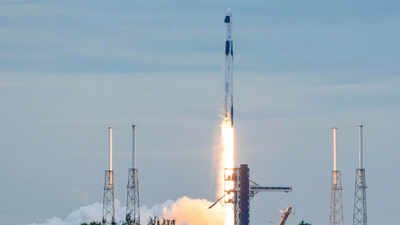
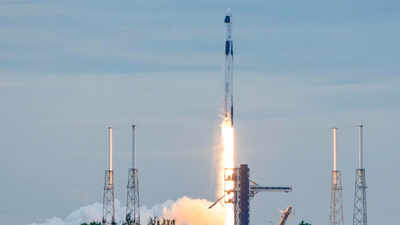
SpaceX on Thursday launched four astronauts to the International Space Station (ISS) for a six-month mission focused on studying human health and performance in space.A Falcon 9 rocket carrying the Crew Dragon capsule lifted off from Cape Canaveral Space Force Station in Florida. The crew is expected to reach the orbiting laboratory, about 250 miles above Earth, after an eight-hour journey.The launch came after a three-week delay to address a leak in the capsule’s fuel system. The crew will replace four astronauts who have been living aboard the station since February.The mission is the 13th long-duration crewed flight SpaceX has conducted for Nasa, excluding its 2020 test flight. The company began sending US astronauts into orbit in May 2020.Crew-13 is led by Nasa astronaut Jessica Watkins, a geologist making her second trip to the space station. She became the first Black woman to lead a crew to orbit. The other members are Nasa astronaut Luke Delaney, Canadian astronaut Joshua Kutryk and Russian cosmonaut Sergey Teteryatnikov, all making their first spaceflight.The crew’s research will include studies on how microgravity affects blood circulation and clotting, as well as the collection of health data to support future space missions.“We feel like some of the luckiest people in the world,” Kutryk said ahead of the launch. His wife, Heather, is due to give birth to their third child in late November while he is in orbit.“A lot of life-changing things can happen over six months,” NASA manager Dana Weigel said on the eve of the launch, adding that the agency would do its best to keep Kutryk connected with his family.The crew’s mission patch pays tribute to Apollo 13, the 1970 lunar mission whose astronauts returned safely to Earth after an onboard emergency.“We really wanted to honor their legacy, honor their resilience and their grit, and bring a little bit of that with us,” Watkins said.The ISS has been continuously occupied for more than two decades and is operated by a partnership led by the US and Russia, with Canada, Japan and 11 European countries. Nasa has said it is committed to keeping the station operational through 2030.