Forest secrets: Lost medieval town missing for 600 years finally found beneath a forest in Poland |
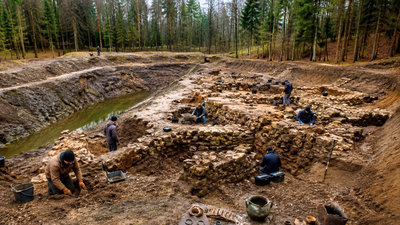
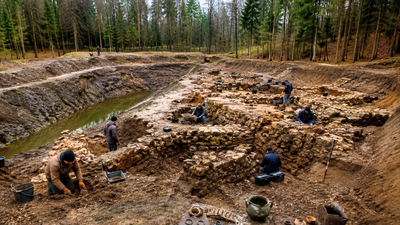
Hidden beneath the forests of northwestern Poland, the remains of Stolzenberg have given archaeologists a rare look at a medieval settlement that disappeared centuries ago. The town is believed to have been founded in the late 13th or early 14th century and later abandoned for reasons that are still unclear. Researchers from the Relicta Foundation, a Polish archaeological group, traced the site using historical records, non-invasive surveys and fieldwork around Sławoborze, near the modern Poland-Germany border. What they uncovered included a moat, defensive earthworks, street patterns and hundreds of artefacts, turning the site into a striking archaeological puzzle.
The search for the lost medieval town missing for 600 years
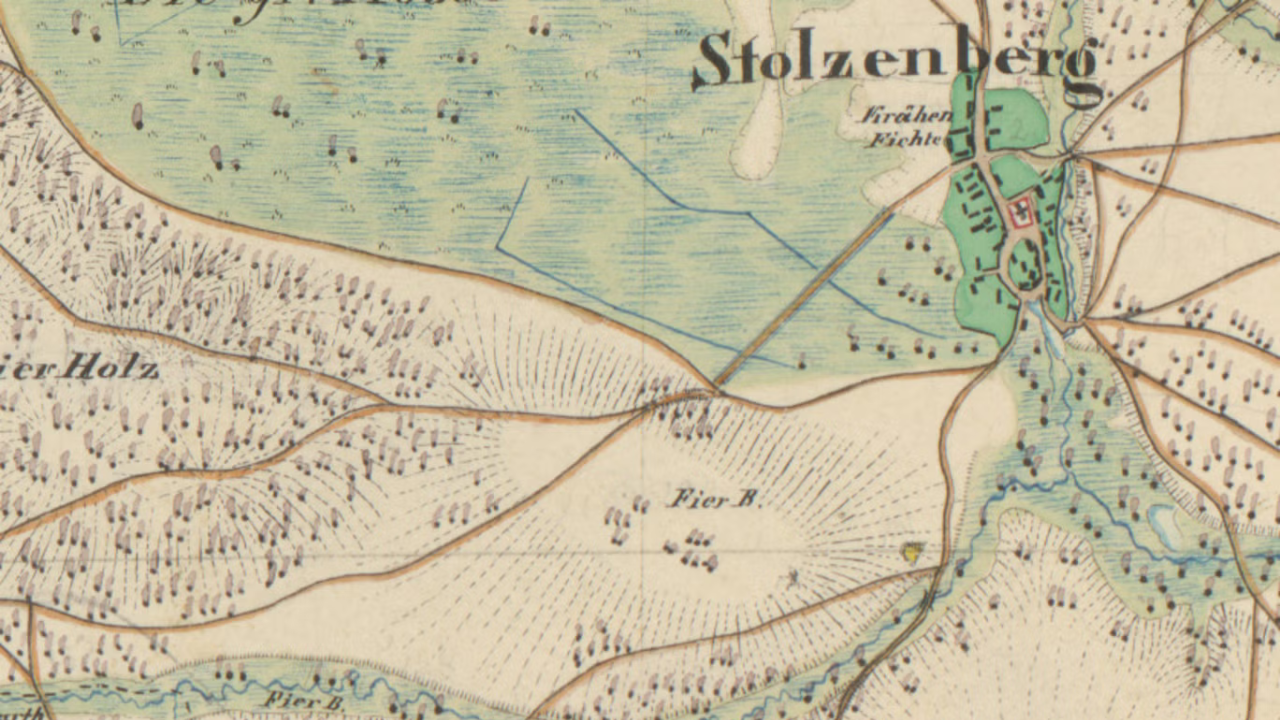
The search for Stolzenberg began after researchers found a reference to a “dead” town in a 1909 publication that mentioned the area around Sławoborze. That clue led the Relicta Foundation to investigate the landscape in more detail. When initial searches in the village area produced no results, the team expanded into nearby woodland, where buried earthworks and other traces began to appear. The work has been supported by Poland’s Ministry of Culture and National Heritage.The most important clues were the defensive features. Researchers identified a horseshoe-shaped ditch, ramparts and a moat that measured about 18 feet deep. Further drilling and geophysical surveys revealed a dense pattern of underground anomalies, including evidence for buildings organised around a central market square and a main street leading towards the gate. That layout is consistent with medieval towns founded under German law, which was a common model for urban planning in the region.
Artefacts spanning centuries
The site has produced roughly 400 artefacts, ranging from Bronze Age items to material from the World War II era. Among the most important medieval finds were silver coins, belt fittings and coat clasps, which helped confirm that the settlement was active during the Middle Ages. Researchers also found later objects, including fragments linked to an 18th-century battle in the area, showing that the landscape continued to be used long after the town itself had faded away.
A medieval town with unfinished answers
Archaeologists still do not know exactly why Stolzenberg was abandoned. Marcin Krzepkowski of the Relicta Foundation and Piotr Wroniecki, another archaeologist involved in the work, have both said that several factors could have played a role, including flooding, shifting trade routes, war or relocation to a more favourable site. The team now hopes to learn more through continued analysis, including questions about the residents’ daily lives, diet and the town’s broader role in medieval borderland history.Beyond the mystery of Stolzenberg itself, the discovery helps historians understand how medieval towns were founded, laid out and eventually lost in frontier regions of Central Europe. The combination of documentary research, remote sensing, drilling and artefact recovery has made the site a valuable case study in how modern archaeology can recover places that vanished from the written and physical record.