
US sales data: Retail sales rise 0.6% in November as holiday spending picks up; wholesale inflation stays modest
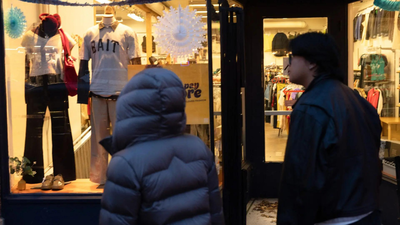
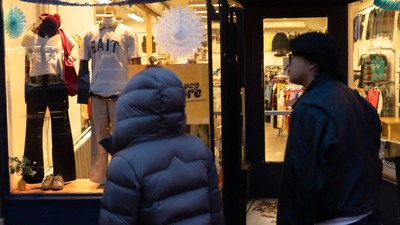
US retail sales rose a better-than-expected 0.6% in November as holiday shopping gathered momentum, following a revised 0.1% decline in October, according to data released by the Commerce Department. The report was delayed by more than a month due to the 43-day federal government shutdown, AP reported.Retail sales had edged up 0.1% in September, after stronger gains of 0.6% in both July and August and a 1% rise in June, reflecting uneven but resilient consumer spending trends through much of the year.Sector-wise, sales at clothing and accessories stores increased 0.9% in November, while online retailers recorded a 0.4% rise. Sporting goods and hobby stores saw a sharper jump of 1.9%. Restaurants — the only services category included in the report — posted a 0.6% increase.The retail data emerged as about 41,000 participants from retailers, brands and technology firms gathered for the National Retail Federation’s annual convention, where concerns over high prices, the impact of President Donald Trump’s tariffs and a weakening job market dominated discussions on the outlook for consumer demand.Industry executives said early data pointed to a solid holiday shopping season overall, though financial stress persists among lower-income households. Hiring has remained generally weak, raising concerns about consumer spending and broader economic momentum in 2026.On the inflation front, price pressures showed signs of easing. Consumer prices rose 0.3% in December from November, matching the prior month’s pace, according to the Labor Department. Core inflation, excluding food and energy, also increased 0.2%, the same as in November — a rate that, if sustained, would bring inflation closer to the Federal Reserve’s 2% target.Many economists had expected inflation to rise more sharply as data collection normalised after last year’s shutdown, making the modest increase a relief. Manufactured goods prices were flat in December, suggesting the impact of tariffs may be waning.The National Retail Federation has projected that retail sales in November and December rose between 3.7% and 4.2% over 2024, translating into total spending of $1.01 trillion to $1.02 trillion, compared with $976.1 billion during the 2024 holiday season.Major retailers including Lululemon Athletica and Abercrombie & Fitch have indicated that holiday sales met or exceeded expectations. A clearer picture of the season’s performance is expected next month when companies such as Walmart and Target report quarterly results.On the inflation front, US wholesale prices rose a modest 0.2 per cent in November from October and were up 3 per cent year-on-year, according to the Labor Department’s producer price index (PPI), also released after delays linked to the shutdown. Excluding volatile food and energy components, core wholesale prices were flat on a monthly basis and rose 3 per cent from a year earlier.Gasoline prices climbed sharply during the month, contributing to the headline increase. The wholesale inflation data had originally been scheduled for release on December 11, with December’s PPI now set to be published on January 30.The producer price data follows signs of easing consumer inflation. The Labor Department reported earlier that consumer prices rose 0.3 per cent month-on-month in December and 2.7 per cent from a year earlier, still above the Federal Reserve’s 2 per cent target but lower than many had feared.